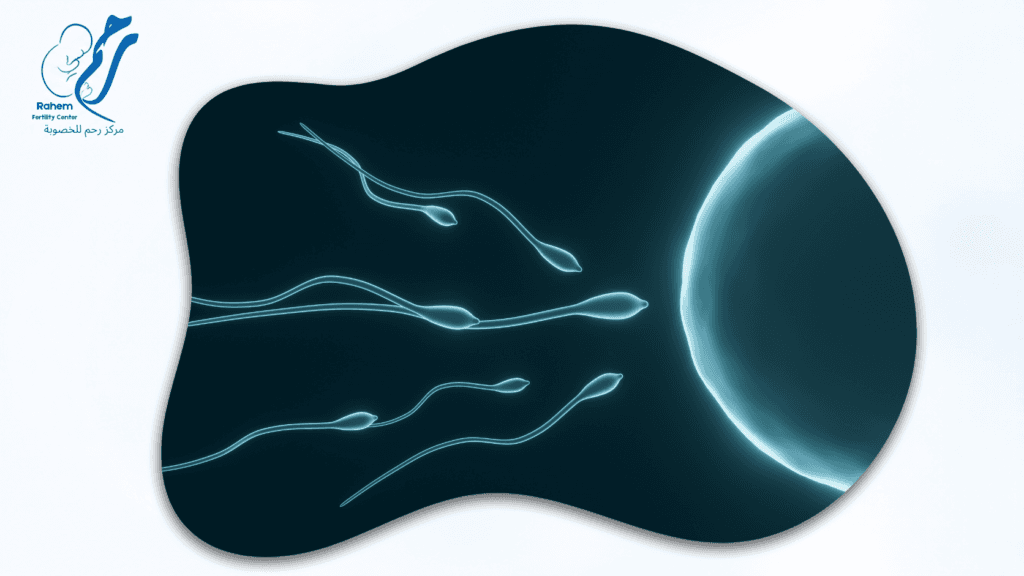
99% abnormal sperm morphology means that approximately 1% of the sperm assessed in the sample met the laboratory’s criteria for normal shape. It does not mean the chance of pregnancy is 1%, or that natural conception is impossible. The result must be considered alongside sperm count, movement, and both partners’ fertility assessment.(1)
Sperm shape alone cannot reliably determine whether pregnancy will occur.
What Is Sperm Morphology?
A semen analysis is one of the primary tests used to assess male fertility. It evaluates several important sperm parameters, including sperm count, concentration, motility, semen volume, and sperm morphology.(1)
Sperm morphology refers to the size and shape of sperm cells. A normally shaped sperm generally has a smooth, oval-shaped head and a long, intact tail. When a sperm differs from this typical structure, it is classified as having abnormal morphology. These abnormalities may include an unusually large or irregularly shaped head, or a tail that is curved, shortened, or duplicated.
Abnormal sperm morphology is relatively common, and only a small proportion of sperm are considered morphologically normal. Depending on the assessment criteria used, approximately 4–14% of sperm may have a normal shape.(1)
How Does 99% Abnormal Sperm Morphology Affect Fertility?
Abnormal sperm morphology may make conception more difficult in some men, particularly when the percentage of normally shaped sperm is very low. However, having a low percentage of normal sperm does not necessarily mean that pregnancy cannot occur.(2)
A study published in The Journal of Urology reported pregnancy in 12% of couples whose sperm had 4% or less normal morphology, compared with 14% of couples in whom more than 4% of sperm had normal morphology.(2)
These findings indicate that sperm morphology alone does not determine a man’s ability to achieve a pregnancy. Other semen parameters, particularly sperm count and motility, as well as overall sperm quality, also contribute to fertility. In addition, factors related to the female partner’s fertility can have a significant influence on the likelihood of conception.(2)
For this reason, the results of a semen analysis should be interpreted as a whole rather than focusing on sperm morphology in isolation.(2)
Can Pregnancy Occur with 99% Abnormal Sperm Morphology?
Even with 99% abnormal sperm morphology, natural pregnancy may still be possible when other sperm parameters are favorable and no significant female fertility factors are present. The chances of conception, however, depend on the underlying cause, the couple’s overall fertility, how long they have been trying to conceive, and the other semen analysis results.(3)
Successful Pregnancy Experiences with 99% Abnormal Sperm Morphology
Although having 99% abnormal sperm morphology may make conception more challenging, some couples may still achieve pregnancy naturally or with fertility treatment, depending on their individual circumstances.(3)
The following are examples of pregnancy experiences involving severe abnormalities in sperm morphology.
1. Successful Pregnancy After Lifestyle Changes
A 35-year-old woman had been married for eight months without conceiving. She and her husband consulted a fertility specialist and underwent the recommended evaluation. His semen analysis revealed that approximately 99% of sperm had abnormal morphology.
As no underlying condition requiring surgical intervention was identified, the couple was advised to focus on lifestyle measures that could support sperm health. These included smoking cessation, limiting high fat and fast foods, increasing the intake of vegetables, fruits, nuts, and whole grains, exercising regularly, and maintaining adequate sleep.
Several months later, a follow-up semen analysis was performed to evaluate changes in sperm parameters. The couple continued attempting to conceive and achieved a natural pregnancy approximately one year later.
2. Successful Pregnancy After Treating the Underlying Cause
A couple had been unable to conceive for two years when the husband’s semen analysis showed approximately 99% abnormal sperm morphology. Rather than considering morphology alone, the fertility specialist recommended a comprehensive evaluation to identify any potentially treatable cause.
Further assessment revealed a varicocele, which can affect sperm production and quality in some men. Varicocele surgery was recommended, along with nutritional support, including CoQ10 and antioxidant supplements. He also adopted a healthier lifestyle by maintaining an appropriate weight and following a balanced diet.
The couple continued trying to conceive during the treatment and follow-up period and eventually achieved a natural pregnancy.
3. Successful Pregnancy with ICSI
A woman in her late thirties had been attempting to conceive for an extended period. She and her husband underwent a comprehensive fertility assessment, which showed he has 99% abnormal sperm morphology, accompanied by a significant reduction in overall sperm quality.
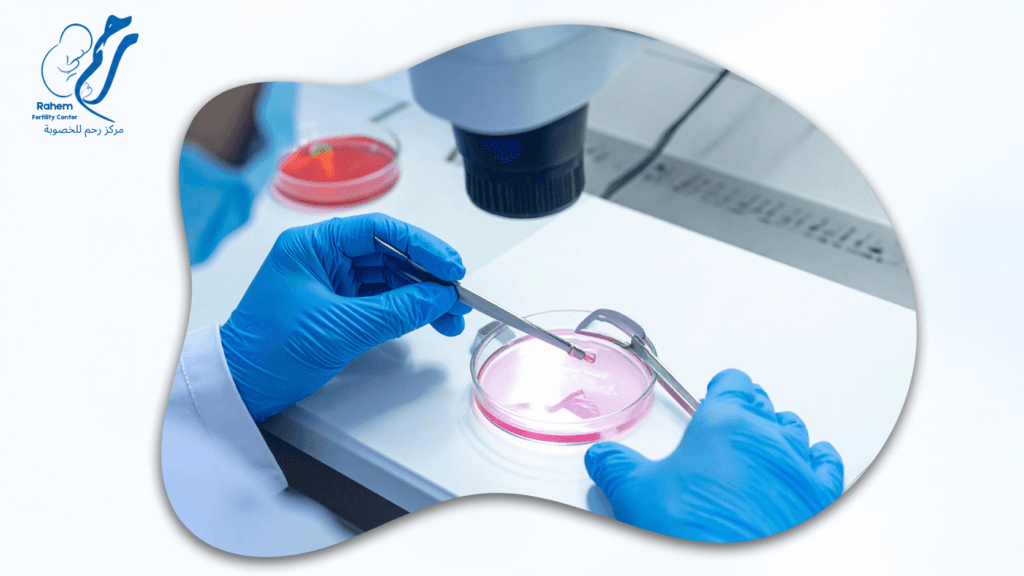
After continued follow-up without achieving pregnancy, the fertility specialist recommended intracytoplasmic sperm injection (ICSI). This assisted reproductive technique involves selecting a suitable sperm and injecting it directly into the egg to facilitate fertilization.
Following ICSI, the resulting embryos were monitored, and an appropriate embryo was selected for transfer as part of the treatment plan. The couple subsequently achieved pregnancy.
The Bottom Line
A finding of 99% abnormal sperm morphology does not necessarily mean that pregnancy is not possible. Morphology is only one aspect of male fertility, and the likelihood of conception is also influenced by sperm count, motility, overall sperm quality, female reproductive health, and other contributing factors.
Some couples may conceive naturally when the remaining fertility parameters are favorable. In other cases, addressing an underlying condition may improve the chances of conception, while assisted reproductive techniques such as in vitro fertilization (IVF) or intracytoplasmic sperm injection (ICSI) may be considered when appropriate.
Ultimately, 99% abnormal sperm morphology should be assessed alongside the complete semen analysis and the fertility status of both partners. On its own, this finding should not be regarded as a definitive predictor of whether a couple can achieve pregnancy.
Book a consultation at Rahem Center to review your results and discuss the next steps.