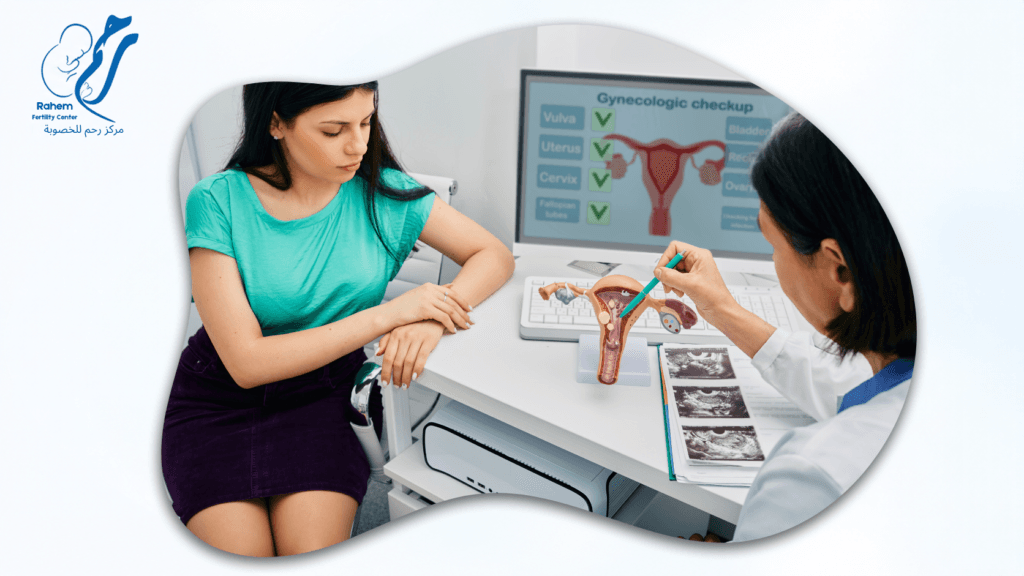
Secondary infertility means difficulty becoming pregnant after a previous pregnancy. It can affect either partner, even when conceiving the first child was straightforward. Evaluation is generally recommended after 12 months of regular, unprotected intercourse if the woman is under 35, or after six months if she is 35 or older. Earlier assessment may be appropriate when either partner has known fertility concerns.(1)
What is Secondary Infertility?
Secondary infertility is a medical term used to describe the inability to conceive or carry a pregnancy to term after previously giving birth to a child. It generally refers to couples who conceived their first child without fertility medications or assisted reproductive technologies.(1)
Difficulty conceiving a second child is relatively common, affecting approximately 11–14% of women. Although no specific signs or symptoms can reliably predict whether a woman will experience difficulty conceiving again, the risk may be associated with certain medical conditions, including:(2)
- Irregular menstrual cycles.
- A history of miscarriage.
- Severe menstrual pain.
- Pelvic inflammatory disease (PID).
However, the presence of one or more of these conditions does not necessarily indicate secondary infertility. Many women with these medical conditions conceive naturally without experiencing delays or difficulties.(2)
Causes of Secondary Infertility
Secondary infertility may affect either partner and can stem from female reproductive conditions, male fertility problems, or a combination of both. In some cases, no clear underlying cause can be identified.(3)(1)
Female Related Causes
- Ovulation disorders: Irregular or absent ovulation can reduce opportunities for conception. Possible causes include PCOS and other hormonal conditions.
- Age-related changes and diminished ovarian reserve: Egg number and quality decline with age. A lower ovarian reserve does not necessarily mean natural conception is impossible, and ovarian reserve tests do not directly measure egg quality.
- Fallopian tube problems: Damaged or blocked of the fallopian tubes can prevent sperm from reaching the egg or interfere with transport of the fertilized egg toward the uterus. Possible causes include previous pelvic infections, endometriosis, and adhesions following some pelvic or abdominal operations.
- Uterine conditions: Some polyps, fibroids, or adhesions inside the uterus may affect fertility, depending on their location and extent.
- Endometriosis: Endometriosis occurs when tissue similar to the lining of the uterus grows outside the uterus. This condition can affect reproductive function and make conception more difficult.
- Polycystic ovary syndrome (PCOS): PCOS is a common hormonal disorder that can interfere with normal ovulation. Women with PCOS often experience irregular or absent ovulation, which can reduce their chances of conceiving.
- Weight gain and unhealthy lifestyle habits: Excess body weight can interfere with ovulation and disrupt hormonal balance, potentially reducing the chances of conception. Unhealthy lifestyle habits, including smoking and alcohol consumption, may also impair reproductive function and negatively affect fertility.
Male Related Causes
- Low testosterone levels: Hormonal disorders and conditions affecting testicular function can interfere with sperm production. Hormone testing may be recommended when the history, examination, or semen analysis suggests a possible hormonal cause.
- Varicocele: A varicocele is an enlargement of the veins within the scrotum that can negatively affect sperm production and quality. It is estimated to contribute to approximately 30% of male infertility cases.
- Sperm Abnormalities: Male fertility may be affected by a low sperm count, reduced sperm motility, or abnormal sperm morphology. A sperm concentration below 15 million per milliliter of semen is generally considered lower than normal. These abnormalities may be associated with advancing age, certain medications, or underlying medical conditions.
- Prostate enlargement or removal: An enlarged prostate may be associated with changes in semen volume and reproductive function. Prostate removal, depending on the procedure, may interfere with ejaculation and cause semen to flow backward into the bladder rather than exit through the penis, a condition known as retrograde ejaculation.
- Significant weight gain or obesity: Excess body weight can disrupt hormonal balance, potentially lowering testosterone levels and increasing estrogen levels. These changes may negatively affect sperm production and male fertility.
- Exposure to chemicals and heat: Occupational exposure to certain industrial chemicals, pesticides, and lead may impair sperm production and quality. Prolonged or excessive exposure to heat can also negatively affect testicular function and fertility.
Tests to Identify the Cause of Secondary Infertility
Early evaluation can help identify potential causes, facilitate timely treatment, and preserve access to a wider range of fertility options.(2)
Women are generally advised to seek an evaluation after six months of unsuccessful attempts to conceive if they are aged 35 or older, or after 12 months if they are younger than 35. Earlier assessment may be appropriate when either partner has known fertility risk factors or a history of reproductive health problems.(2)
The doctor may recommend tests for the woman, the man, or both partners, depending on their medical history and the suspected cause of infertility.(2)
Tests for Women
- Hysterosalpingography (HSG): An imaging test that uses contrast dye and X-rays to examine the uterus and determine whether the fallopian tubes are open or blocked.
- Blood tests: Used to assess ovarian reserve and measure relevant hormone levels.
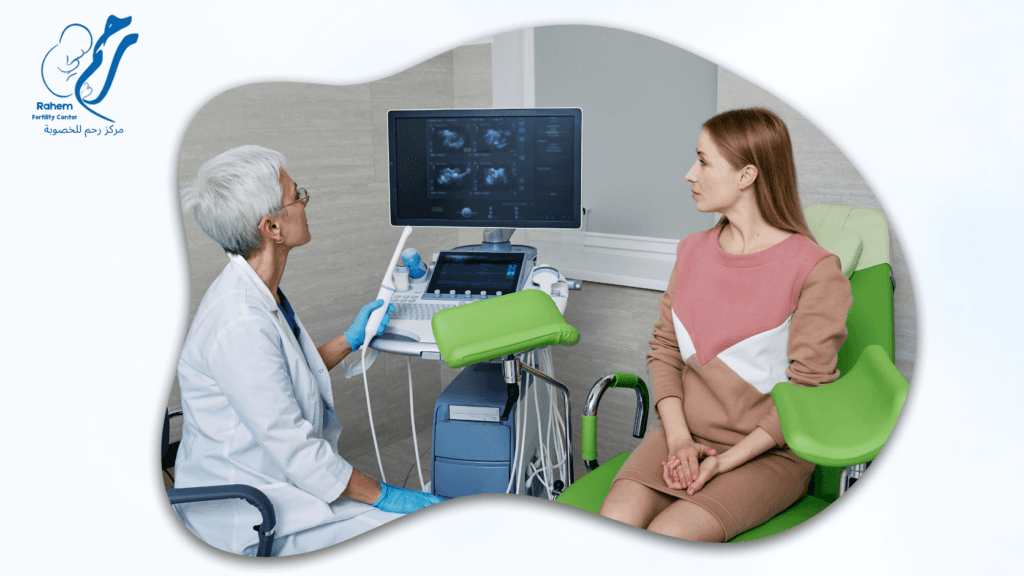
- Pelvic ultrasound: Evaluates the uterus, ovaries, and surrounding pelvic structures.
- Saline infusion sonography: Uses ultrasound and a saline solution to examine the uterine cavity and identify abnormalities such as polyps or adhesions.
- Additional blood tests: May be recommended depending on the woman’s symptoms, medical history, and initial findings.
Tests for Men
Assessment usually begins with medical and reproductive history, a physical examination, and semen analysis. Hormone tests, genetic investigations, or imaging may be recommended when indicated by the findings. Testicular biopsy and scrotal ultrasound are not routine initial tests for every man.
What Should You Do If You Are Having Difficulty Conceiving a Second Child?
Difficulty conceiving a second child does not necessarily mean you have secondary infertility. A proper diagnosis requires a comprehensive medical evaluation, appropriate fertility testing, and an assessment of both partners to identify potential causes and determine the most appropriate treatment plan.(4)
If you are concerned about a possible fertility problem, the following steps may help you prepare for your appointment and support the evaluation process:(4)
- Track your menstrual cycle: Record the dates of your periods, associated symptoms, and the severity of any menstrual pain. Share these details with your doctor.
- Monitor ovulation: Consider using an ovulation predictor kit available at pharmacies to help identify your fertile window.
- Document recent changes: Keep track of changes in your weight, medications, lifestyle habits.
- Discuss the situation with your partner: Fertility assessment should involve both partners, as difficulties conceiving may be related to either one or a combination of factors.
Understanding how long it can take to get pregnant can help put the duration of your attempts into context
Book your consultation in person or online with one of Rahem Center’s leading internationally accredited secondary infertility physicians to discuss your situation, review your test results, and determine the next steps for both of you.