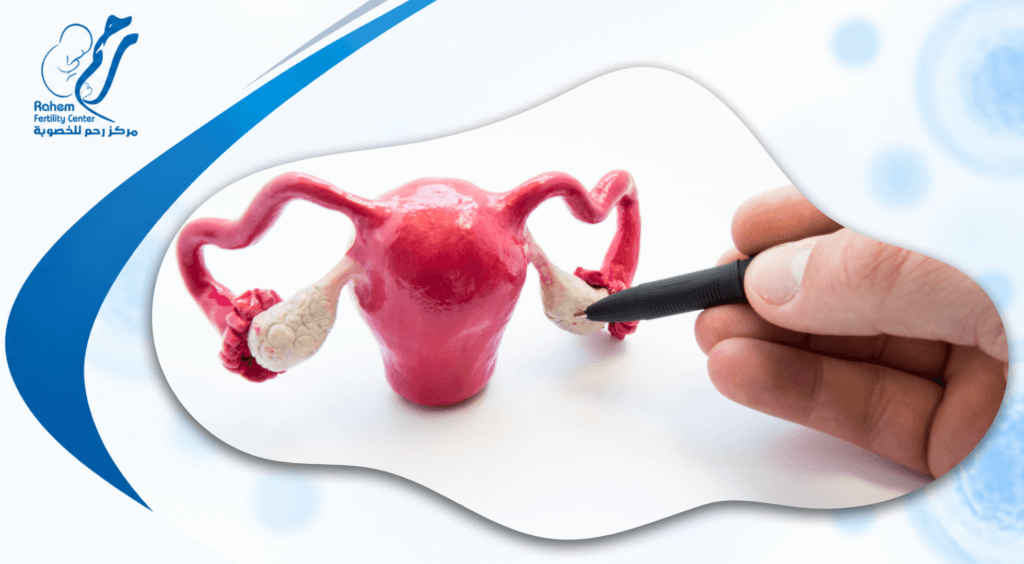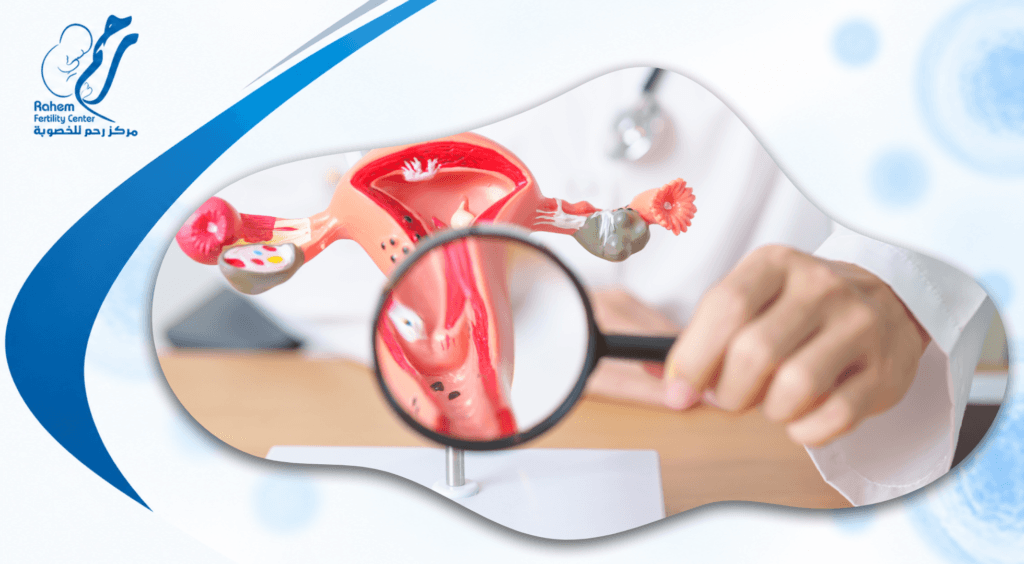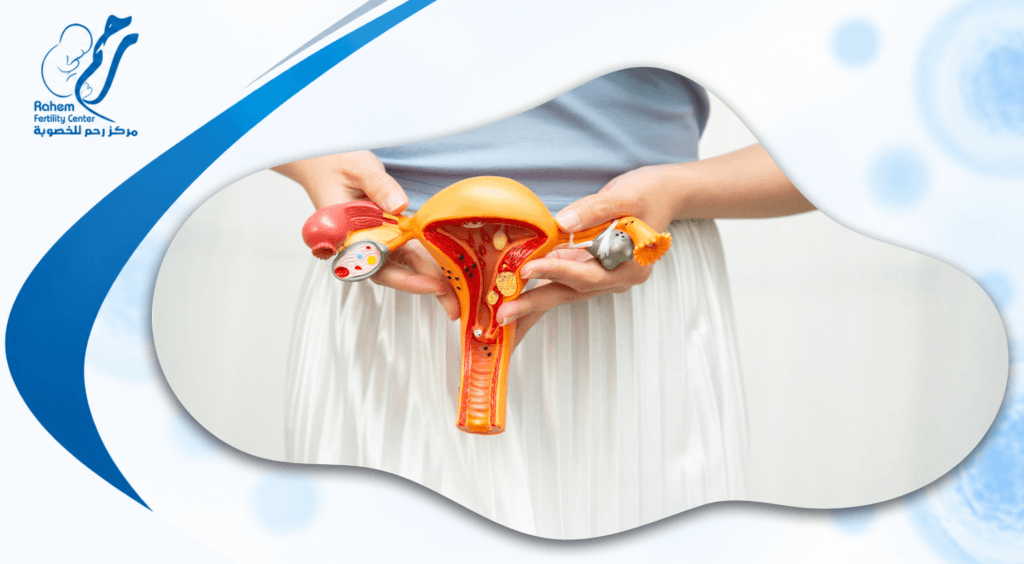
If you have a bicornuate uterus, this means that your uterus has a shape similar to a heart. Some women may have symptoms such as abdominal pain or irregular periods, while others may not have any symptoms at all. In many cases, this condition is only discovered by chance during imaging tests, such as a 3D transvaginal ultrasound or an MRI.
What is a bicornuate uterus?
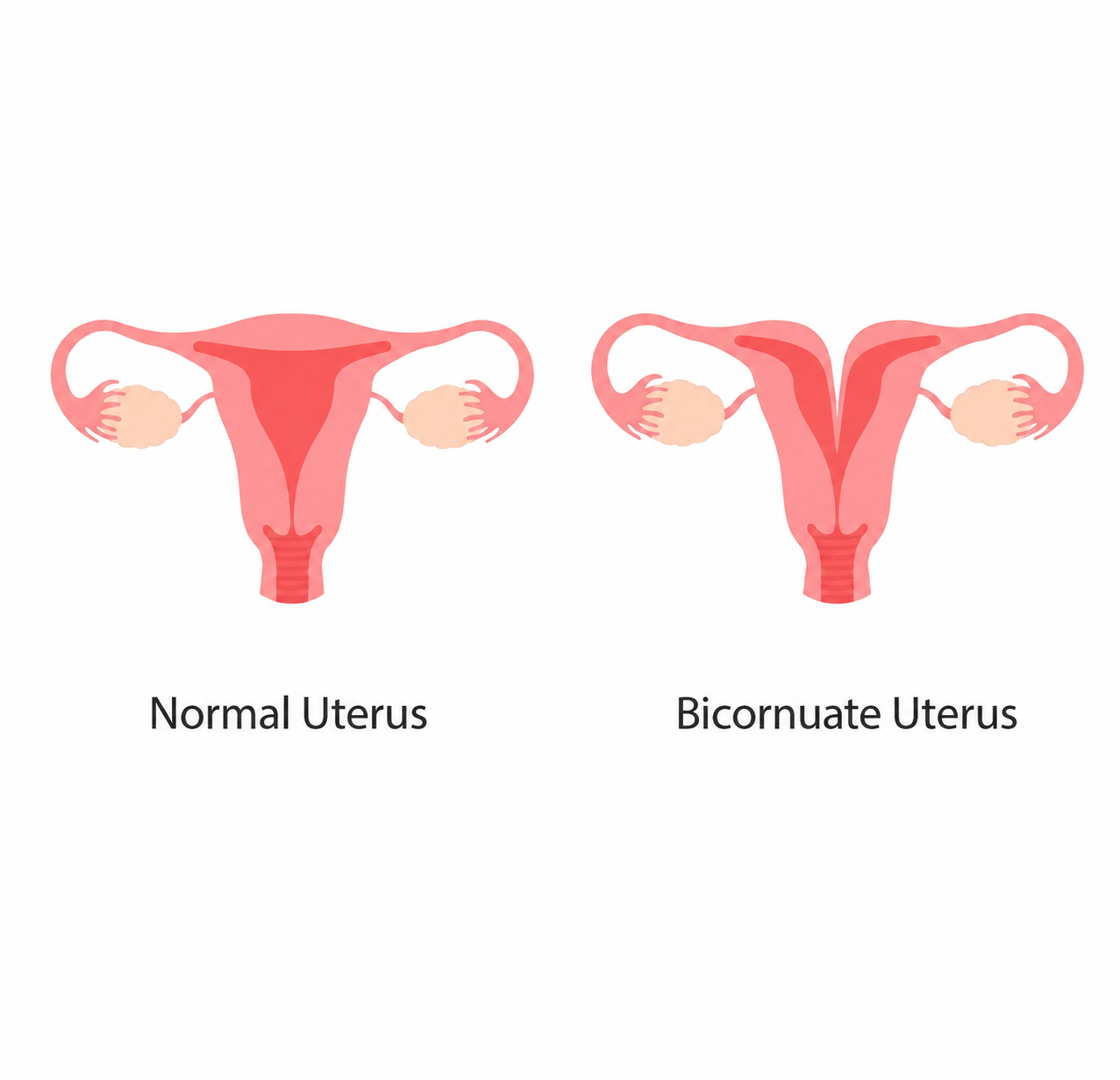
A bicornuate uterus is a congenital condition (meaning a woman is born with it). In this condition, the upper part of the uterus appears to be divided into two cavities instead of one, giving the uterus a heart-like shape rather than its usual pear shape.
Around 0.4% of females are born with this condition.
Can a bicornuate uterus cause infertility or miscarriage?
A bicornuate uterus does not usually cause infertility or affect fertility, according to recent studies. However, the shape of the uterus may affect the course of pregnancy after conception.
This is because the uterine cavity is partially divided into two sides, so the embryo may grow in one side rather than in one wide, single uterine cavity. For this reason this uterine shape is associated with a significantly higher risk of miscarriage and recurrent miscarriage, especially in the first and second trimesters of pregnancy. Even if the pregnancy continues without miscarriage, affected women may be at higher risk of certain pregnancy complications, such as: (2)
- Preterm birth.
- Breech position, where the baby’s head is up and the buttocks are down, which may increase the need for a C-section.
However having a bicornuate uterus does not necessarily mean that the pregnancy will not continue. Many women with a bicornuate uterus complete their pregnancies successfully. Still, early and regular follow-up with an obstetrician is important during pregnancy. Ideally, care should be provided by a doctor who specializes in high-risk pregnancies to help increase the chance of continuing the pregnancy and reaching delivery safely.
Statistics on possible pregnancy complications with a bicornuate uterus : (3)
| Complication | Likelihood compared with women with a normal uterus |
| Miscarriage in the first or second trimester | About 2.7 timesئ |
| Preterm birth | About 3.7 times higher |
| Need for C-section | About 5 times higher |
Symptoms of a bicornuate uterus
This condition may not cause any clear symptoms in some women. However, in others, it may cause symptoms or problems such as: (1)
- Recurrent miscarriage.
- Irregular periods.
- Severe menstrual pain.
- Pain or discomfort in the lower abdomen.
- Pain during intercourse (dyspareunia).
Causes of a bicornuate uterus
A bicornuate uterus is a congenital condition, meaning a female is born with it. It does not develop later because of anything you did or any specific behavior. This condition forms while the fetus is developing in the womb, when the two ducts responsible for forming the uterus do not fully fuse as they normally should. As a result, the upper part of the uterus becomes partially divided, making it appear as if it has two sides or horns, giving it a heart-like shape. A bicornuate uterus cannot be prevented, because it happens during fetal development before birth. (2)
Diagnosis of a bicornuate uterus
For diagnosis imaging tests of the uterus are used. The most commonly used tests include: (2)
- 3D transvaginal ultrasound.
- MRI.
- Hysterosalpingography, also known as an HSG test.
Treatment of a bicornuate uterus
There is no medication that can change the shape of a bicornuate uterus, because it is a congenital condition that a woman is born with. In most cases, treatment is not needed if the woman does not have recurrent miscarriages or clear pregnancy complications. Management usually focuses on closer pregnancy monitoring and addressing any possible complications, such as recurrent miscarriage or preterm birth. Corrective surgery to change the shape of the uterus is usually not needed, as it is not necessary in most cases, especially if recurrent miscarriage has not occurred. In some cases, a cervical cerclage may be recommended during pregnancy if there is cervical weakness or a high risk of preterm birth. (1)