Blocked fallopian tubes are a common cause of infertility. What makes the condition difficult to recognize is that it often develops without noticeable symptoms. Many women do not discover the problem until they undergo fertility tests after experiencing difficulty becoming pregnant.
The blockage may affect one or both tubes, and its effect on fertility depends on its location, severity, and the condition of the remaining tube. Here is a closer look at the condition.
Symptoms of Blocked Fallopian Tubes
Blocked fallopian tubes often cause no obvious symptoms. Many women are unaware that they have a blockage until they try to become pregnant and experience difficulty conceiving. In some cases, however, a blocked fallopian tube may cause mild pain on one side of the lower abdomen. This can occur when the tube becomes swollen and filled with fluid. Sometimes, the underlying condition that caused the blockage produces symptoms of its own. For example, endometriosis can cause severe menstrual pain, heavy bleeding, and persistent pelvic pain. It is also one of the conditions that can contribute to fallopian tube blockage. (1)
How This Affects Pregnancy
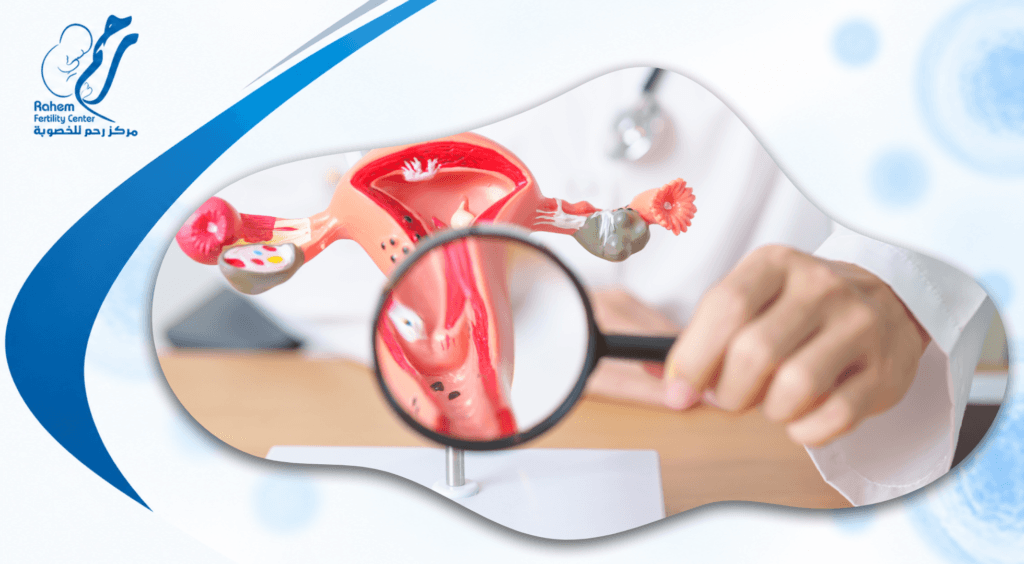
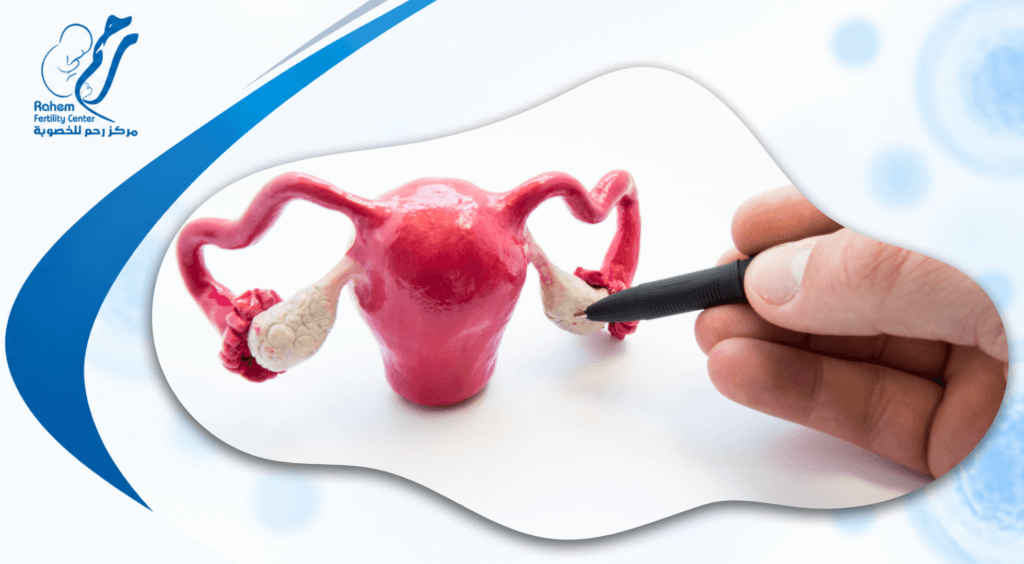
To understand how blocked fallopian tubes affect fertility, it is useful to understand the role of the tubes in conception. The fallopian tubes extend from the uterus toward the ovaries but are not directly attached to them. (1)
After ovulation the finger-like end of a tube helps collect the egg. Fertilization usually occurs inside the tube, after which the fertilized egg travels toward the uterus. The effect on natural conception depends on whether one or both tubes are affected: (1)(2)
- One blocked fallopian tube: Natural pregnancy may still occur if the other tube is open and healthy and the woman continues to ovulate. The overall chance also depends on age, ovarian function, the cause of the blockage, and other fertility factors.
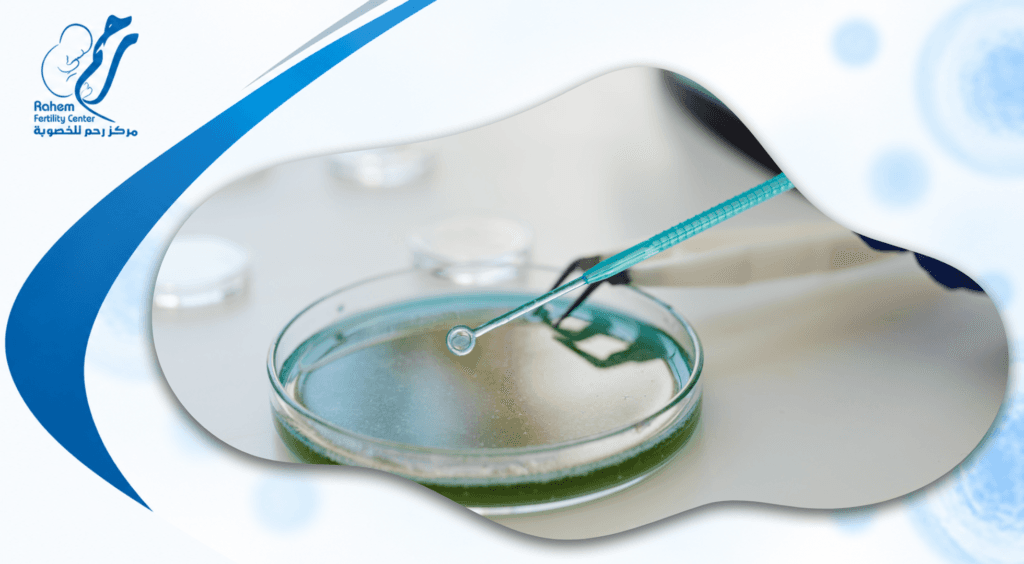
- Both fallopian tubes completely blocked: Natural conception generally cannot occur because sperm cannot reach the egg through the tubes. IVF may be recommended because it allows fertilization to occur in the laboratory before the embryo is transferred directly into the uterus.
Causes of Blocked Fallopian Tubes
Several conditions can lead to blocked fallopian tubes, including: (3)
- Previous pelvic infections: Recurrent pelvic infections can spread from the uterus to the fallopian tubes, damaging the tiny hair-like structures that help move the egg and causing scarring or adhesions inside the tubes.
- Endometriosis: it can cause chronic inflammation and adhesions around the fallopian tubes.
- Previous pelvic or abdominal surgery: such as appendectomy, cesarean delivery, or ovarian cyst removal may lead to scar tissue or adhesions that affect the tubes.
When the end of a damaged tube becomes blocked, fluid may collect inside it and cause swelling, this condition is known as a hydrosalpinx.
Diagnosing Blocked Fallopian Tubes
The most commonly used test is a hysterosalpingogram (HSG). During this test, a contrast dye is injected through the uterus so that its flow through the fallopian tubes can be seen on X-ray, helping identify whether a blockage is present and where it is located. (3)
If a more detailed assessment is needed, the doctor may recommend laparoscopy, which allows direct visualization of the fallopian tubes and surrounding pelvic structures. (3)
Treatment for Blocked Fallopian Tubes
Treatment for blocked fallopian tubes depends on the location and severity of the blockage, the condition of both tubes, the woman’s age and ovarian reserve, and whether there are other causes of infertility.
Laparoscopic surgery may be used to remove adhesions and scar tissue. However, the success of surgery does not depend on reopening the tube alone. The tiny hair-like structures inside the tube, called cilia, which help move the egg toward the uterus, may also be damaged. This can reduce the chances of natural conception and increase the risk of ectopic pregnancy. (3)
If the fallopian tubes are severely damaged or cannot be repaired, assisted reproductive treatments such as in vitro fertilization (IVF) and intracytoplasmic sperm injection (ICSI) are usually more appropriate. (3)
These treatments allow the egg to be fertilized outside the body before the embryo is transferred directly into the uterus, bypassing the fallopian tubes altogether. Pregnancy can still occur this way even after both fallopian tubes have been removed, provided the uterus is healthy and suitable eggs can be obtained. (3)
In some severe cases, the doctor may recommend removing or blocking the affected fallopian tube before IVF to improve the chances of embryo implantation. (3)