IF you and your husband have been trying to conceive without success, you are not alone; the WHO estimates that 1 in 6 people in reproductive age worldwide experience infertility in their lifetime. (1) Understanding the causes of infertility is the first step toward proper treatment.
Infertility is defined by the inability to achieve pregnancy after 12 months (or 6 months for women over 35) of regular, unprotected intercourse.(2)
A medical diagnosis of infertility does not mean that having a baby is not possible. In many cases, a thorough and accurate evaluation of both the husband and wife helps identify the possible causes of infertility and guide the right treatment, whether with medication, surgery, or assisted reproductive techniques such as IVF /ICSI, depending on the case. (3)
Causes of infertility
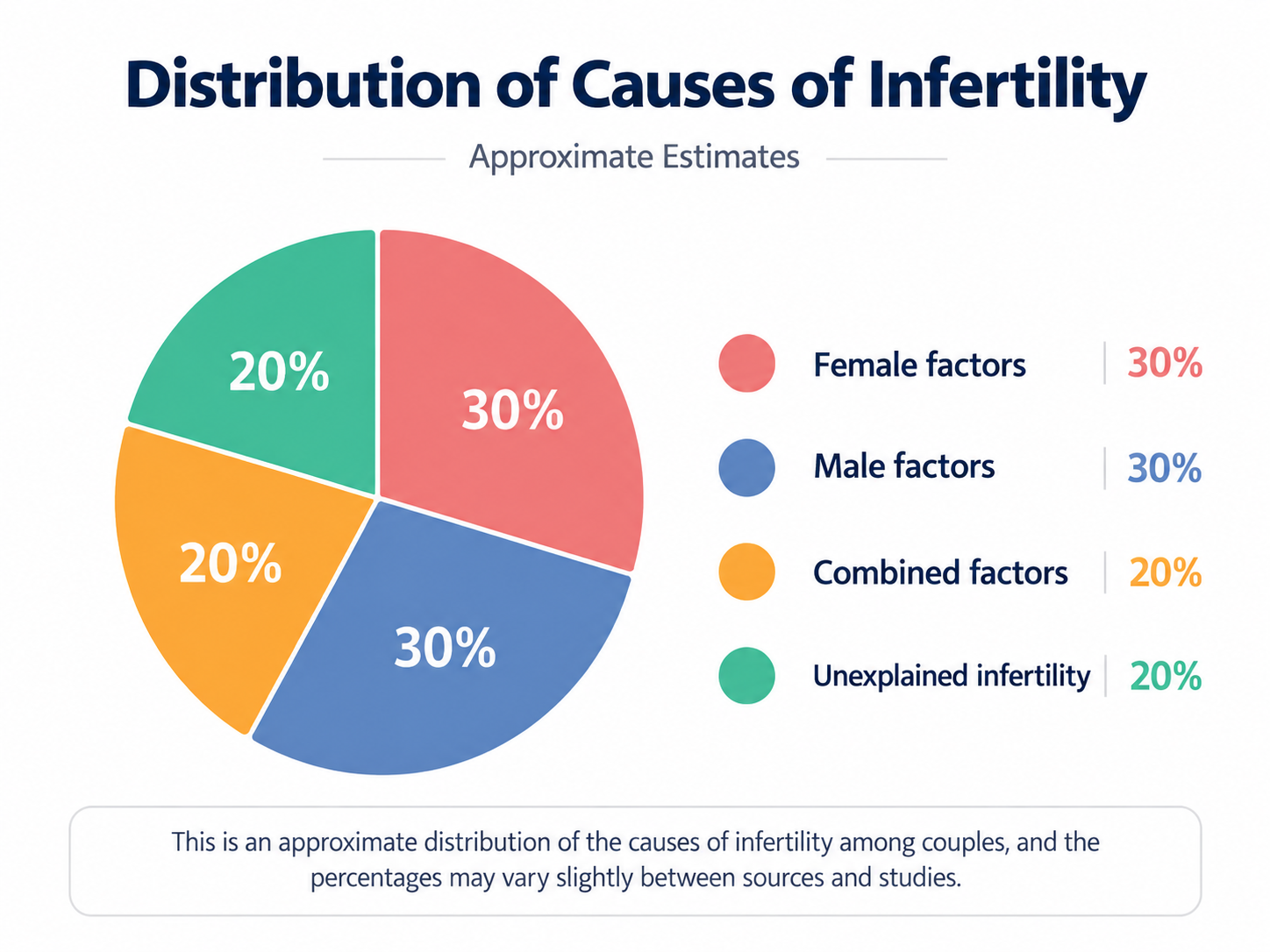
The causes of infertility may relate to the male, the female, or both. In some cases no apparent cause is found (the basic fertility tests of both partners appear normal).
In general, the likelihood of infertility being related to either partner is almost equal. And it’s approximately: (4)
- 30% of cases are due to male factors.
- 30% of cases are due to female factors.
- 20% of due to combined factors involving both partners.
- 20% unexplained.
Causes of Infertility in Women
- Ovulation and hormonal disorders
This means that the problem is related to ovulation or to the hormones that regulate the menstrual cycle. This may happen due to conditions such as polycystic ovary syndrome (PCOS), thyroid disorders, high prolactin levels, or an imbalance in the hormones that control ovulation. Other factors, such as stress, obesity or being severely underweight, and the use of certain medications, may also affect ovulation and hormonal balance. (5)
- Fallopian tube blockage or damage
The fallopian tubes play an important role in pregnancy, as this is where the egg and sperm usually meet for fertilization. They also help move the embryo toward the uterus. Therefore, if both tubes are blocked, the egg and sperm may not be able to meet naturally. This may happen due to: Previous infections in the pelvis or fallopian tubes. Pelvic adhesions. Fluid buildup inside the tube, known as hydrosalpinx. Endometriosis. Congenital abnormalities in the fallopian tubes.(5)
- Uterine disorders
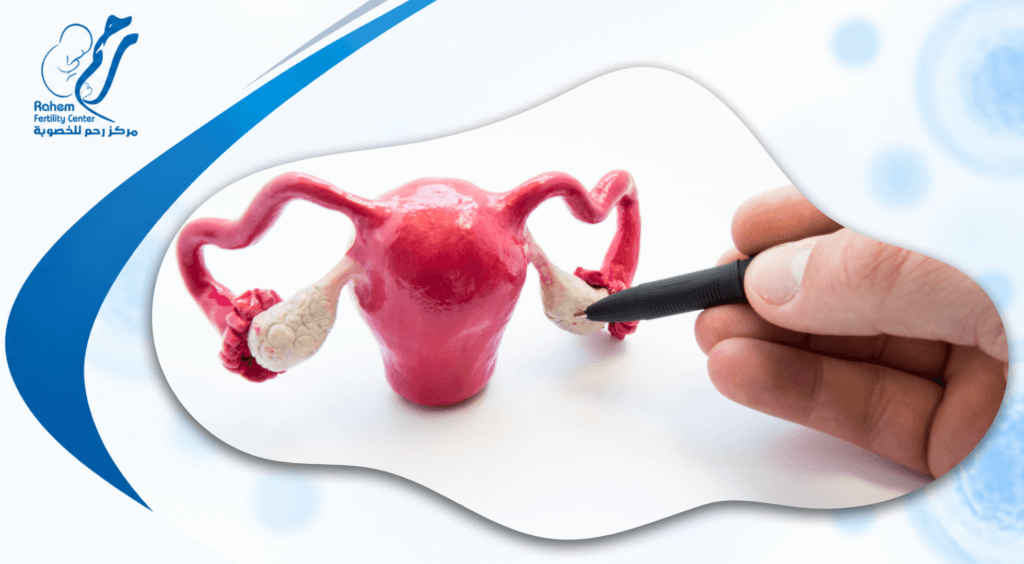
Some problems in the uterus or the uterine lining may interfere with embryo implantation or prevent the pregnancy from continuing. Examples of uterine problems that affect fertility include: (5)
- Uterine infections.
- Congenital uterine abnormalities, which are birth defects in the uterus that a woman is born with. In many cases, they may cause no symptoms and are only discovered by chance during imaging tests.
- Uterine fibroids and polyps.
- Pelvic adhesions
This is when adhesions or scarring make adjacent organs stick together, such as the uterus, ovaries, or fallopian tubes.
These adhesions may affect fertility if they interfere with the movement of the fallopian tubes or make it harder for the egg to reach them, which can make it more difficult for the egg and sperm to meet. (5)
- Endometriosis
a chronic condition where tissue similar to the lining of the uterus grows outside of it,It may affect how well the ovaries, uterus and fallopian tubes work. (5)
Causes of Infertility in Men
- A problem with semen transport or ejaculation (blockage)
This may happen when there is a blockage in the tubes that carry semen or sperm. Such blockages can occur due to infections or injuries affecting the reproductive system. (1)
- Hormonal problems
Hormonal problems can affect the hormones responsible for sperm production, such as testosterone, also known as the male hormone, or the hormones released by the pituitary gland or the hypothalamus. (1)
- A problem within the testicles themselves
This means that the testicles do not produce enough sperm. This may happen because of varicocele, certain treatments such as chemotherapy, or genetic conditions that affect the cells responsible for sperm production. (1)
- A problem with sperm quality, count, or function
This may include poor sperm movement, abnormal sperm shape, or a low sperm count. Some factors, such as the use of anabolic steroids, which are hormone-based performance enhancers sometimes used by athletes, may affect both sperm count and sperm shape. (1)
Risk factors
Some risk factors for infertility include: (5)
- Aging, especially in women: Female fertility decreases with advancing age, especially by mid-thirties, and drops sharply after age 37.
- Smoking: smoking can affect fertility in both men and women, reduce the chances of success during fertility treatments, increase the risk of miscarriage, and is linked in men to erectile dysfunction and a lower sperm count.
- Alcohol: Alcohol can affect fertility in both men and women.
- Being overweight: Lack of physical activity and obesity may reduce fertility. In men, obesity may also affect semen quality.
- Being underweight: Eating disorders or very low-calorie diets may affect fertility, especially if they disrupt the menstrual cycle and ovulation.
Unexplained infertility
Unexplained infertility is diagnosed when a standard fertility evaluation does not identify any clear causes of infertility. Meaning the doctors may find that: (6)
- The woman is ovulating well
- The fallopian tubes are open.
- There are no obvious problems in the uterus.
- The man’s semen analysis is normal.
- There are no apparent hormonal problems.
Yet despite this, pregnancy still does not happen.
Note: Unexplained infertility does not mean that there is truly no reason behind the delay in pregnancy. It means that the standard tests have not been able to identify the cause. Some medical problems that affect fertility can be very complex and difficult to detect. Most importantly, unexplained infertility does not mean that the condition cannot be treated; (in many cases, doctors can still create a treatment plan based on the couple’s situation). This may include intrauterine insemination or IVF.
How is infertility evaluated?
The medical evaluation for infertility should include tests for both partners to check each person’s fertility health. This usually includes:
- Evaluation of the wife: This may include an ultrasound to examine the ovaries and uterus, ovarian reserve testing such as AMH, and other hormonal blood tests (such as prolactin and thyroid hormones). The doctor may also check whether the fallopian tubes are open using a test called a hysterosalpingogram.
- Evaluation of the husband: A semen analysis is performed to assess the sperm count, movement, and shape.
Frequently asked questions
After having a child, why can I get pregnant a second time?
Delayed pregnancy after having a first child is common and affects about 11% of couples. It can happen for many different reasons, such as: (7)
- Older age, especially in women.
- Pelvic adhesions after a C-section or other abdominal surgeries.
- Low sperm quality, count, or movement.
- Lifestyle changes in either partner, such as weight changes, stress, or unhealthy habits.
Can birth control affect fertility?
Birth control pills do not cause infertility and do not harm fertility. However, after stopping them, the menstrual cycle and ovulation may need some time to return to normal. Some women become pregnant right away after stopping the pill, while for others, pregnancy may take a few months.
According to studies nearly half of women become pregnant within 1–3 months after stopping birth control pills, while most become pregnant within one year.
However if pregnancy takes longer than this after stopping birth control pills, the couple will need medical evaluation; as the delay may be due to reduced fertility with age, ovulation or hormonal problems, another female-related factor, or a fertility issue in the male partner.(8)
References
- WHO – Infertility
- ASRM – Definition of infertility: a committee opinion
- NICHD – What infertility treatments are available?
- NICHD – How common is male infertility, and what are its causes?
- Mayo Clinic – Infertility – Symptoms and causes
- The Obstetrician & Gynaecologist-Wiley Online Library – Unexplained Infertility: An Update – Raperport – 2026
- Cleveland Clinic – Secondary Infertility: Causes, Signs, Diagnosis & Treatments
- Columbia Doctors – Getting Pregnant After Stopping Birth Control Information