The Causes of IVF Failure may not work can differ from one person to another. In some cases, the outcome may be related to embryo quality, the uterine lining, the woman s age, the timing of embryo transfer, or other reproductive and health factors affecting either partner. Still, even when good-quality embryos are available and the treatment plan seems appropriate, an IVF cycle may not always lead to pregnancy.(1)
Going through an unsuccessful IVF attempt can be especially difficult after weeks of medications, appointments, procedures, and waiting for the result. However, one failed cycle does not necessarily mean that something went wrong or that future attempts will also fail. Reviewing the previous cycle can give the medical team useful information about how the body responded to treatment, whether any changes may improve the next attempt, and whether further testing is actually needed. (1)
What Are the Main Causes of IVF Failure?
1- Problems Related to Embryos Quality
In many cases an IVF cycle may fail even when the embryos transferred to the uterus appear healthy and of excellent quality.
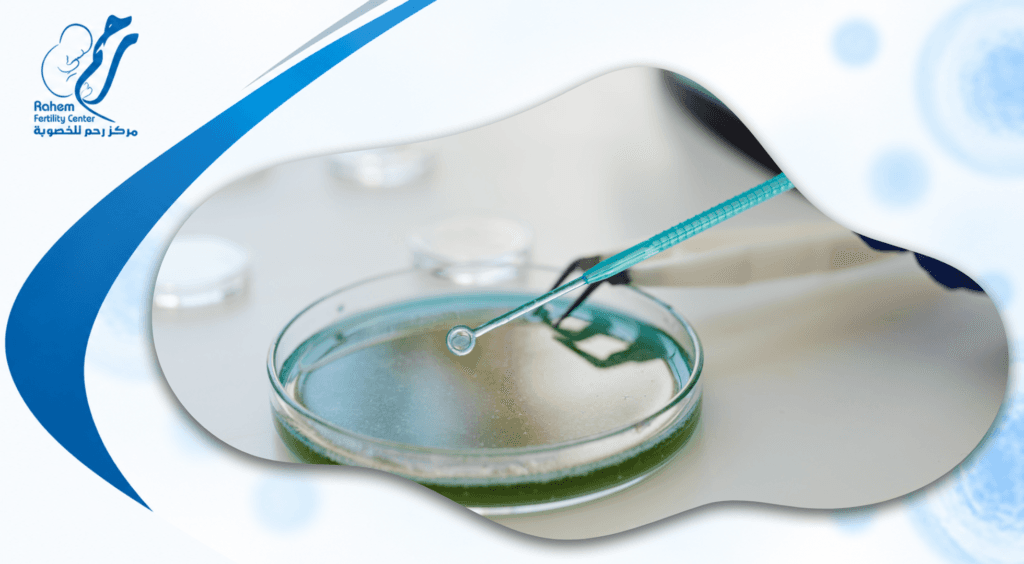
This is because traditional embryo assessment relies on examining the embryos under a microscope to evaluate their appearance, stage of development, and rate of cell division. However, this method cannot reveal the embryo’s genetic makeup. Embryos that appear ideal may still carry subtle chromosomal abnormalities that prevent implantation or interfere with their continued growth and development.
This is where preimplantation genetic testing may be considered؛ It might improve IVF and implantation success rates in selected cases, particularly after repeated treatment failure or miscarriage in women of advanced maternal age.(3)
2. Endometrial Factors
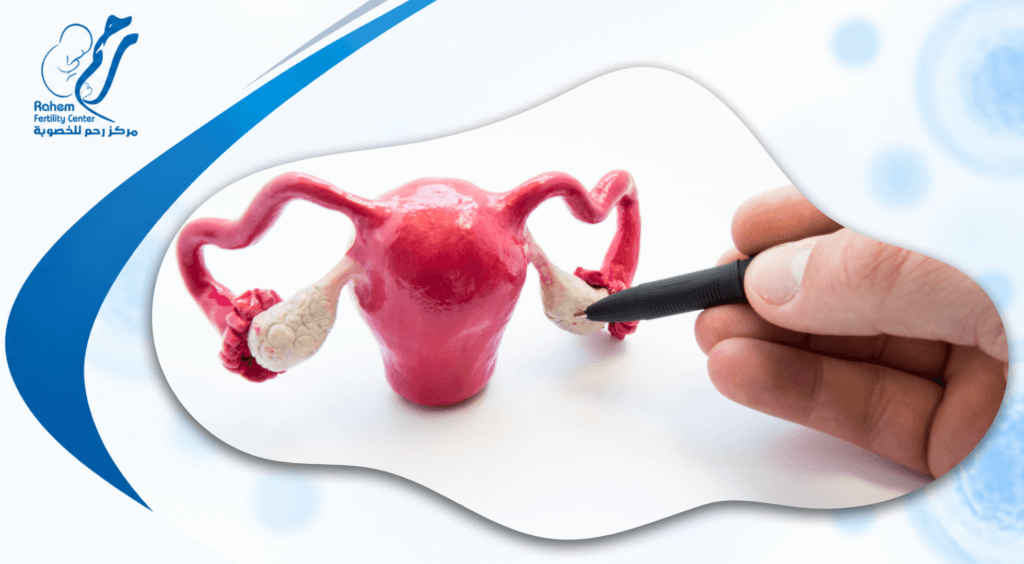
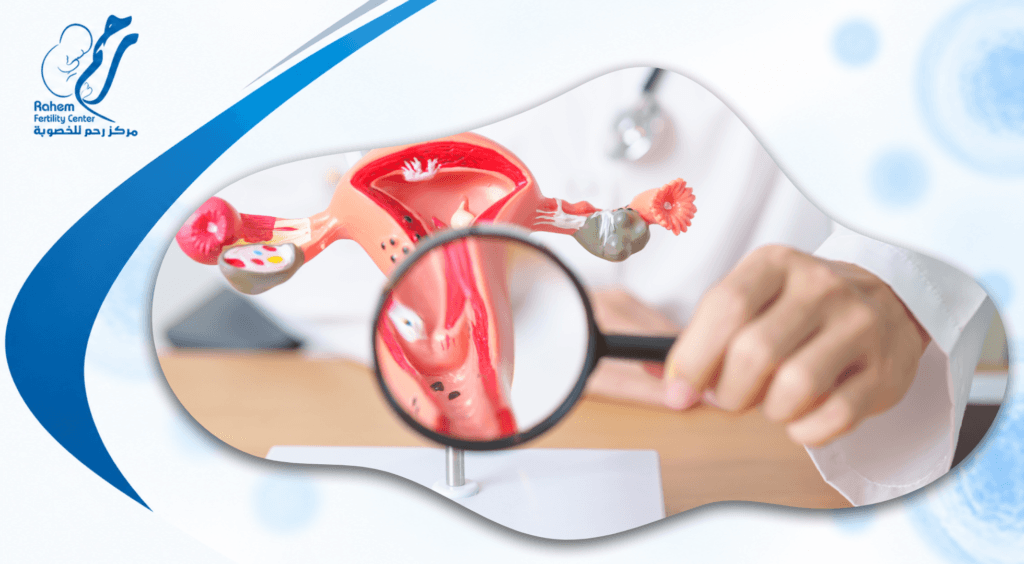
The uterine lining plays an important role in the successful implantation of transferred embryos. Problems that have not been previously detected or treated such as uterine adhesions, small polyps, scarring from earlier procedures such as dilation and curettage (D&C), or chronic inflammation of the uterine lining may affect its ability to receive the embryo and support the pregnancy.
Fortunately, many of these problems can be treated once they are identified. In some cases, these conditions may not be clearly visible on a standard ultrasound or through basic investigations. The doctor may therefore recommend additional tests, such as hysteroscopy, to examine the inside of the uterus more closely. Many fertility centres also prefer the uterine lining to measure approximately 7-8 mm or more. However, other factors are assessed as well, including the appearance of the lining, hormone levels, and the timing of embryo transfer, to achieve the best possible preparation of the uterus. (3)
3. Hormonal Factors and Timing of Embryo Transfer
If hormone levels or timing are not optimal, the uterine lining may not be at its most receptive stage when the embryo is transferred. In some cases, the doctor may adjust the medications or change the timing of transfer during the following cycle to improve endometrial receptivity.(3)
4. Immune and Inflammatory Conditions
Certain immune or inflammatory conditions, such as autoimmune diseases or endometriosis, may affect implantation success. Identifying and managing these conditions before treatment may therefore help improve the chances of a successful IVF cycle.(3)
5.Sperm DNA Fragmentation
Sperm quality may affect embryo development, particularly when sperm DNA fragmentation is high. This may reduce the embryo’s ability to develop to more advanced stages before transfer. For this reason, additional tests may be recommended for the male partner when poor embryo development or failed embryo transfers occur repeatedly. (3)
6- Health and Lifestyle Factors
Certain general health factors may affect hormonal balance, egg or sperm quality, and the readiness of the uterine lining, including: (3)
- Thyroid disorders.
- Insulin resistance.
- Excess weight in one or both partners.
- Vitamin D deficiency.
The doctor may therefore recommend additional tests to evaluate causes of IVF failure, or changes to treatment, diet, or lifestyle before or during the IVF cycle to create the best possible conditions for treatment.
7. Unpredictable Biological Factors
Even when good-quality embryos are available, the uterine lining appears suitable, and the treatment plan has been carefully prepared, implantation may still not occur for reasons that cannot be fully predicted. An unsuccessful attempt does not necessarily mean that a clear mistake was made or that the chances of success in future cycles have come to an end. (3)
Make Your Next Attempt the One That Counts
To evaluate causes of IVF failure book a consultation at Rahem Fertility Center, a leading fertility destination for couples across the Gulf and Arab region. Start with an online assessment, followed by complete medical coordination for patients travelling to Cairo, from treatment planning to arrival and care.