The meaning of ICSI success has changed considerably in recent years. Success is no longer measured only by whether a fresh embryo transfer leads to pregnancy immediately after an ovarian stimulation cycle.
Today, greater emphasis is placed on the cumulative pregnancy rate: making the best possible use of a single stimulation cycle by obtaining a suitable number of good-quality embryos, transferring one or more embryos at the most appropriate time, and freezing any remaining embryos for future use when needed.
In the past, women commonly underwent ovarian stimulation followed by embryo transfer two, three, or five days after egg retrieval, known as a fresh embryo transfer. But today, the entire treatment cycle is planned more carefully. This includes selecting the right ovarian stimulation protocol, close monitoring by an experienced fertility specialist, and treatment in a high-quality embryology laboratory that can provide optimal conditions for fertilization and embryo development. The uterine lining is then prepared carefully, and embryo transfer is scheduled at the most appropriate time based on the woman’s individual condition.
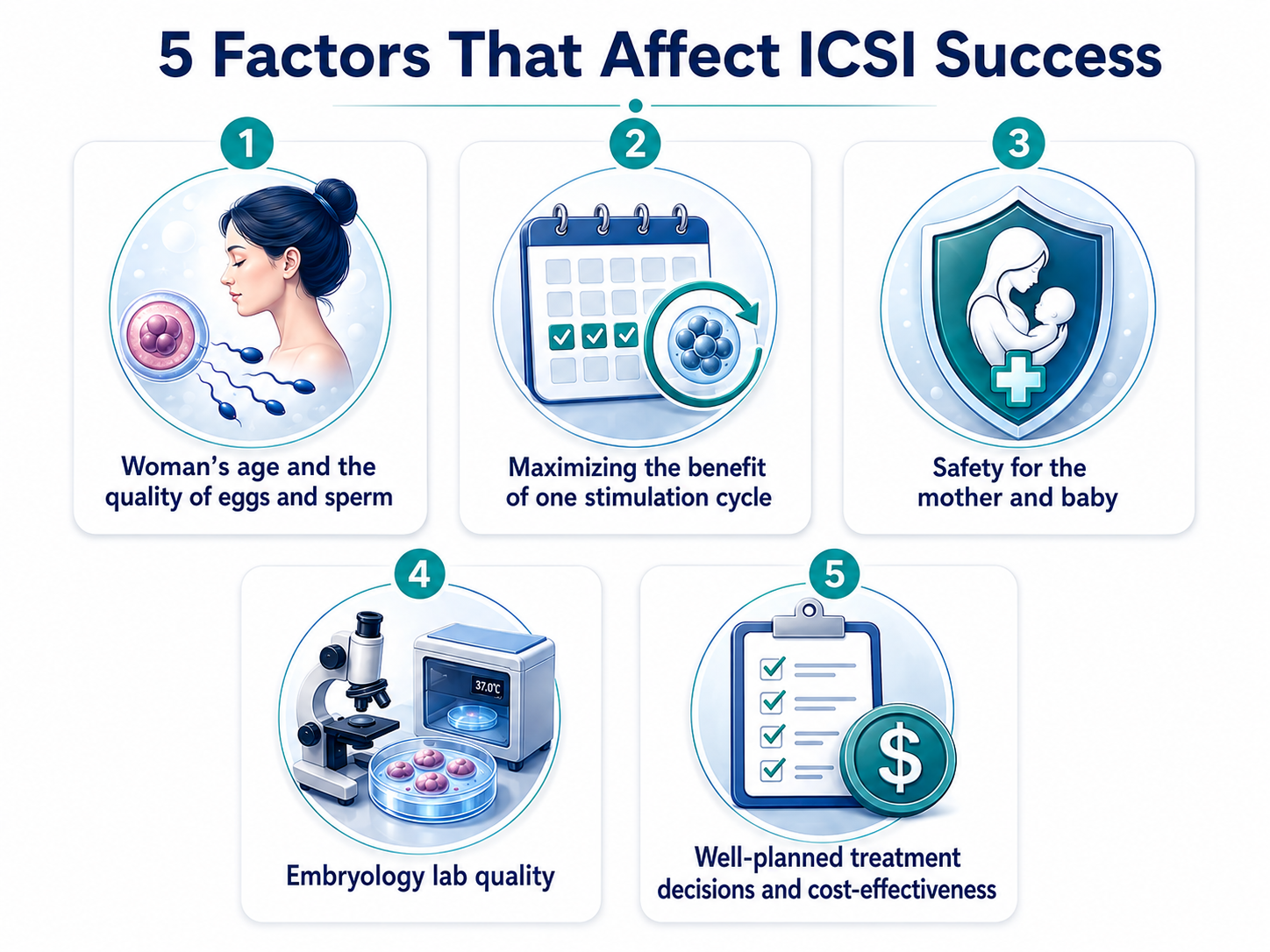
1.Female Age and the Couple’s Biological Factors
The woman’s age is one of the most important factors of ICSI success, as egg quality declines with age. Ovarian reserve and sperm quality also influence the number and quality of embryos produced. Therefore, the chances of success vary from one couple to another. (1)
2. Achieving the Highest Chance of Pregnancy From a Cycle
This means aiming for the best possible outcome from one ovarian stimulation cycle rather than focusing only on the chance of success from a fresh embryo transfer. The goal is to make use of all good-quality embryos created during that cycle, either by transferring one embryo in the same cycle or by freezing the remaining embryos for future attempts. This can increase the cumulative chance of pregnancy or live birth without repeating ovarian stimulation and egg retrieval each time. (2)
One possible approach is to transfer a fresh embryo and freeze the remaining good-quality embryos. These embryos can remain stored for years and may be used later without the need for another stimulation cycle or egg retrieval. However, if the woman is at risk of ovarian hyperstimulation or if a fresh transfer is not medically suitable, the preferred approach may be to freeze all embryos and transfer them later after preparing the uterine lining in the most appropriate way for her condition.(2)
This may be done through a natural, modified natural, or hormone-prepared cycle. This approach is commonly used in many advanced fertility centres when there is a clear medical reason, particularly in women at risk of ovarian hyperstimulation or when a fresh embryo transfer is not considered suitable.(2)
3. Safety For Mother and Fetus
The 3rd pillar of ICSI success is ensuring the safety of both the mother and the baby. Successful ICSI is not simply about achieving pregnancy; it also means reducing the risk of complications as much as possible, including severe ovarian hyperstimulation, which can lead to serious health complications.
Safety also involves avoiding the transfer of too many embryos, as was more common in the past. A pregnancy involving triplets or more is associated with a higher risk of premature birth, admission to the neonatal intensive care unit, and health complications that may affect the children’s growth and long-term health. For this reason, an inadequately planned multiple pregnancy is not considered a true success according to modern fertility treatment standards. (3)
4. The Quality of the Embryology Laboratory
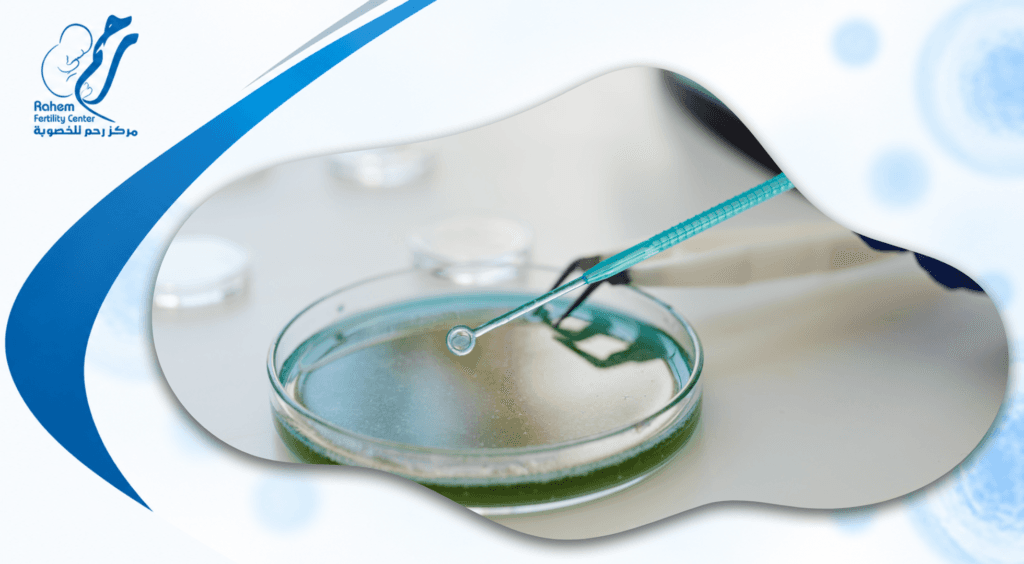
The 4th factor of ICSI success is the quality of the laboratory. The embryology laboratory is not simply a technical part of the process; it plays a central role in the success of treatment. The quality of the equipment, laboratory protocols, monitoring of environmental conditions, the expertise of the team, and the way eggs, sperm, and embryos are handled can all affect fertilization rates and embryo quality. (4)
5. Managing Costs and Making The Right Decisions
The 5th factor of ICSI success is cost-conscious care. Not every additional test or procedure leads to a better chance of success.
Any step added to a couple’s treatment journey should have a clear medical reason and proven benefit. Some procedures may be useful in selected cases but are not suitable for every couple. These include genetic testing of embryos in specific circumstances and certain endometrial tests that are not recommended for routine use without a clear indication.
Using advanced tests indiscriminately may increase the cost of treatment without providing a proven benefit for the couple or increasing ICSI success. (4)
To learn more, watch this video featuring Professor Dr. Eman Elgindy, in which she explains the key factors that influence ICSI success treatment.
You can now book your consultation with us at Rahem Fertility Center. We follow the highest international standards, use the latest technologies in our embryology labs. This has made Rahem Fertility Center a leading destination for couples from the Gulf region and other Arab countries seeking infertility treatment. Patients can begin their initial assessment online, with comprehensive medical coordination available for those travelling to Cairo before treatment begins.