Low ovarian reserve is often considered when the AMH level is below 1 ng/mL, and very low when it is below 0.4 ng/mL.
However, the most important point is that a low number does not mean pregnancy is impossible. It simply means that the number of available eggs may be lower than expected for a woman’s age, and that the condition needs early evaluation and a suitable plan without delay, especially if she is trying to conceive or planning to become pregnant in the future. (1)
What Is Low Ovarian Reserve?
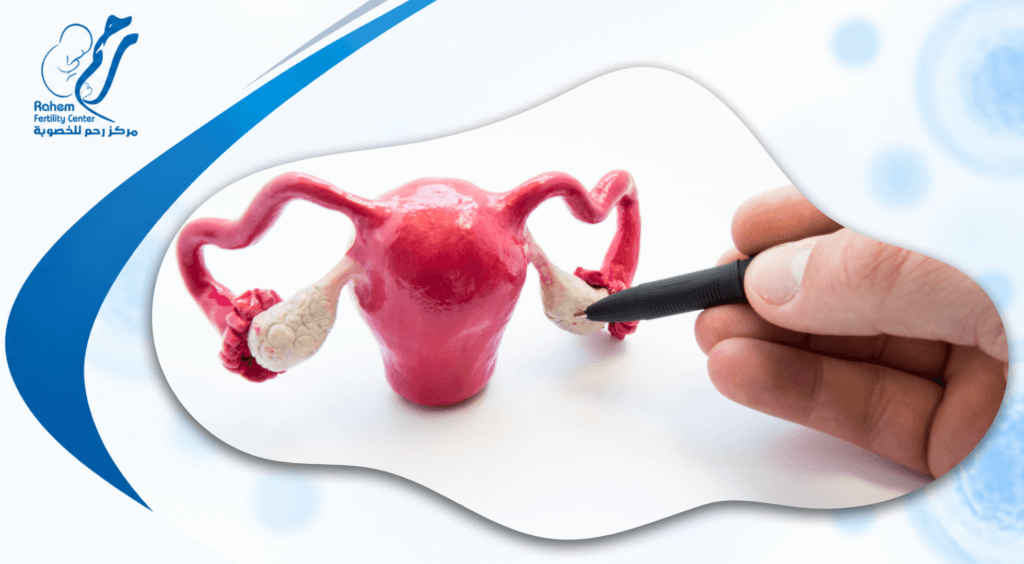
Ovarian reserve is a term used to describe the number of eggs remaining in the ovaries. This reserve naturally decreases with age, until the eggs are eventually depleted at menopause. This is part of the normal age-related changes that occur in women.
In some cases, however, the ovarian reserve may be lower than expected for a woman’s age. In this situation, early detection becomes important, because having an appropriate plan may help make the best possible use of the available eggs. (2)
How Does Low Ovarian Reserve Affect Fertility?
Low ovarian reserve does not mean that pregnancy is impossible. Even if the ovarian reserve result is very low, such as an AMH level below 0.4, there may still be eggs that can be used.
In some cases, pregnancy may still happen naturally, or with the help of fertility treatments.
The more accurate way to look at it is this: low ovarian reserve means that time has become a very important factor. Fertility should be evaluated as soon as possible, especially if the woman is trying to conceive or planning to become pregnant in the future.
How Is Ovarian Reserve Evaluated?
Doctors usually rely on more than one test to assess low ovarian reserve. An AMH test alone is not enough to judge a woman’s fertility. In most cases, doctors use two main types of evaluation: (2)
- Hormonal blood tests:
The most important and commonly used test is the Anti-Müllerian Hormone (AMH) test.
A low AMH level may indicate that the number of remaining eggs is lower than expected.
- Transvaginal ultrasound:
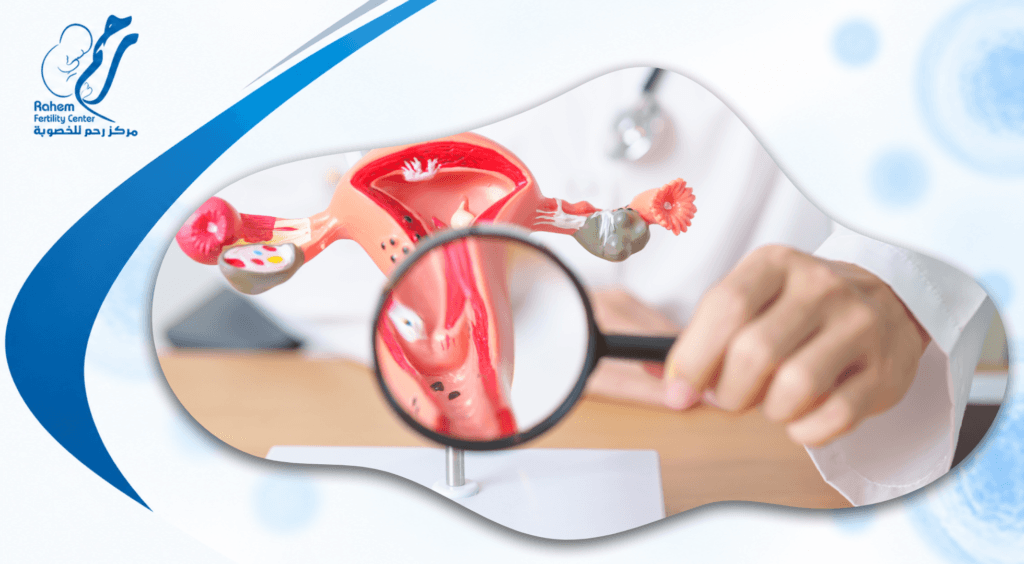
also an important part of the evaluation. Through ultrasound, the doctor counts the small follicles inside the ovaries, known as antral follicles. These follicles give an idea of how many eggs the ovaries may be able to recruit during ovarian stimulation.
When these results are considered together with the woman’s age, medical history, and other factors affecting the reproductive health of both partners, the doctor can determine whether the ovarian reserve is truly low, how much it may affect fertility and pregnancy chances, and what treatment plan may be most appropriate.
Why Does Time Become Important?
Ovarian reserve naturally declines with age. So, if the reserve is already low, it may become even lower after one, two, or three years. For this reason, low ovarian reserve does not mean that pregnancy is impossible, but it does mean that delaying pregnancy may reduce the options available later. Early consultation is therefore important, not to cause worry, but to help make a clear decision at the right time. If a woman wants to become pregnant now, the doctor may advise her not to delay trying to conceive or starting treatment. However, if she is not currently planning pregnancy, the doctor may discuss egg freezing as an option, if it is suitable for her case. (3)
Is There Any Treatment for Low Ovarian Reserve?
The goal of treatment is to make the best possible use of the available eggs before the window becomes more limited. The right option depends on the woman’s age, blood test and ultrasound results, how long she has been trying to conceive, the husband’s fertility status, and whether she wants to become pregnant now or in the future. Some options your fertility doctor may discuss with you include: (3)
- Egg freezing: If a woman is not currently married, or is married but wants to delay pregnancy for now, egg freezing may be a suitable option. In this process, fertility medications are used to stimulate the ovaries and help produce more than one egg in a cycle. The eggs are then retrieved and frozen for future use.
- Intrauterine insemination (IUI): This may be suitable in some cases, especially if the fallopian tubes are open and the semen analysis is good.
- IVF/ICSI: In vitro fertilization or intracytoplasmic sperm injection is often the most suitable option in many cases of low ovarian reserve. This is because it helps make the best possible use of the available eggs in a more organized way, and may allow embryos to be frozen for future pregnancy attempts. It is often preferred when time is an important factor and treatment should not be delayed.
The plan varies from one case to another. There is no single approach that suits all women. In some cases, trying to conceive naturally for a short, clearly defined period may still be possible, especially if the woman is young, has regular periods, and there are no other known causes of delayed pregnancy. In other cases, the doctor may recommend assisted reproductive techniques.
Can Ovarian Reserve Be Increased Again?
So far, there is no medication or surgical procedure that can increase the number of eggs inside the ovaries.
This is a very important point: supplements, hormones, and other treatments do not increase the number of eggs. That is why the goal of the plan your doctor creates will not be to raise ovarian reserve, but rather to improve the chances of using the available eggs in the best possible way, and to choose the right treatment at the right time.
In some cases, the doctor may discuss certain supplements or supportive treatments, with the aim of supporting egg quality or reproductive health in general, not increasing the number of eggs.
However, these options are not suitable for everyone and should not be used without medical advice. (4)
Can Lifestyle Changes Help?
A healthy lifestyle does not increase ovarian reserve, but it can support general and reproductive health, and may help reduce some factors that can negatively affect fertility. Important recommendations include: (5)
- Maintaining a healthy weight.
- Avoiding smoking.
- Eating a balanced diet.
- Exercising regularly.
- Getting good-quality sleep.
- Reducing stress as much as possible.
- Treating vitamin, mineral, or hormonal deficiencies when present, such as vitamin D deficiency, iron deficiency, or thyroid hormone problems, under medical supervision.
These steps do not increase the number of eggs, but they can help the body be in a better condition when trying to conceive or starting fertility treatment.
References:
- Cleveland clinic – Anti-Mullerian Hormone Test
- ASRM – Testing and interpreting measures of ovarian reserve: a committee opinion
- Baylor Medicine – Diminished Ovarian Reserve | Baylor Medicine
- Cleveland clinic – Ovarian Reserve Testing: Range, Purpose & Results
- Mayoclinic- female fertility