Not getting pregnant with regular periods can be confusing because assume that if your period shows up like clockwork every month, your fertility must be in great shape. But the truth is, a regular cycle only paints part of the picture. While it’s a positive sign and usually means you’re ovulating regularly, it doesn’t guarantee you’ll get pregnant. (1)
It doesn’t tell you, for example, if your fallopian tubes are open, if the egg and sperm can actually meet and fertilize, or if your womb is ready for an embryo to implant. (1)
For this reason, pregnancy may still be delayed even when menstrual cycles remain regular and unchanged.
Do Regular Periods Mean You Are Ovulating?
Often, yes but not in a way that guarantees pregnancy. A regular cycle is an excellent sign that ovulation is working properly, which is why most women with regular cycles don’t need extra tests just to confirm ovulation, unless there are other symptoms that suggest otherwise. But ovulation alone doesn’t answer all the big fertility questions.
A regular cycle doesn’t tell us, for instance: (1)
- Whether the egg is actually viable enough to be fertilized and develop into a healthy embryo. Whether the fallopian tubes are open.
- Whether the sperm is healthy and able to reach the egg.
- Whether there’s endometrial tissue growing outside the uterus (endometriosis).
- Whether the uterine cavity is suitable for implantation.
- Whether intercourse actually happened during the right fertile window.
These factors help explain why some are not getting pregnant with regular periods and apparently normal ovulation.
Reasons for Not Getting Pregnant With Regular Periods
The reasons for this can lie with the woman, the man, or both. And quite often, basic tests don’t turn up any clear issue which doctors call unexplained infertility. Here are some of the most important factors: (2)(3)
1. Blocked or damaged fallopian tubes
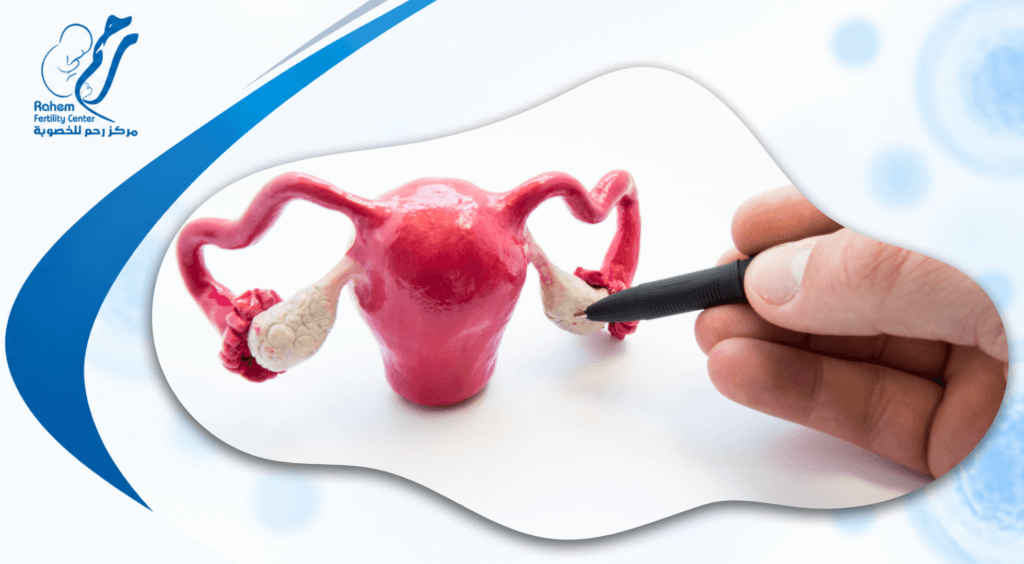
You can have perfectly normal periods even if one or both of your fallopian tubes are blocked. That’s because your tubes aren’t involved in your monthly bleeding but they do play a make-or-break role in getting pregnant. This is where the sperm and egg usually meet for fertilization. So if a tube is blocked or damaged, it becomes much harder for sperm to reach the egg.
Tube problems generally stem from a few things, including:
- Previous pelvic infections
- Certain STIs, like chlamydia and gonorrhea
- Endometriosis
- Past abdominal or pelvic surgeries
- Pelvic adhesions (scar tissue)
The doctor may assess whether the tubes are open using a hysterosalpingogram (HSG) or another appropriate imaging test, as part of evaluating the cause of not getting pregnant with regular periods.
2. Endometriosis
A woman can have endometriosis even if her periods are totally regular. This condition happens when tissue similar to the lining of the womb grows outside the uterus.
It can lead to inflammation, scar tissue, and adhesions around the ovaries and fallopian tubes, which can get in the way of the sperm and egg meeting.
Endometriosis can also affect fertility in other ways by impacting the ovaries, the tubes, and the whole process of fertilization and implantation.
There are some symptoms that might point to endometriosis, like:
- Severe period pain
- Chronic pelvic pain
- Pain during or after sex Pain when going to the bathroom, especially around your period
But here’s the tricky part: how severe your symptoms are doesn’t necessarily match how advanced the condition is. Some women have endometriosis with very mild symptoms, or even no obvious signs at all.
3. Age and its effect on egg quality
You can keep having regular periods even as your fertility naturally declines with age. That’s because fertility isn’t just about releasing an egg every month, it’s also about how many eggs you have left and how good their quality is.
And a woman’s age is one of the biggest factors when it comes to her chances of getting pregnant.
Generally, fertility starts to gradually dip in your 30s, and then the decline picks up speed as you get older. Along with that, older eggs are more likely to have chromosomal abnormalities, which lowers the odds of forming a healthy embryo and carrying a pregnancy to term. This is exactly why you can have a regular cycle with ovulation happening, yet it takes much longer to conceive than it did in your younger years.
4. Diminished ovarian reserve
Ovarian reserve basically refers to the number of eggs you have left in your ovaries. It naturally declines as you get older. And here’s the key point: your periods can stay perfectly regular even when your ovarian reserve is low. So you can’t rely on your cycle alone to tell you anything about your egg supply. That said, it’s also important not to read too much into your AMH (ovarian reserve) test results.
A low level doesn’t automatically mean natural pregnancy is out of the question, and a high level doesn’t guarantee anything either.
Current guidelines stress that ovarian reserve tests are meant to be used as part of a broader fertility workup; they help predict how your ovaries are likely to respond to certain assisted reproduction treatments. They shouldn’t be used on their own, apart from other tests and symptoms, to predict your chances of conceiving naturally.
5. Uterine Problems
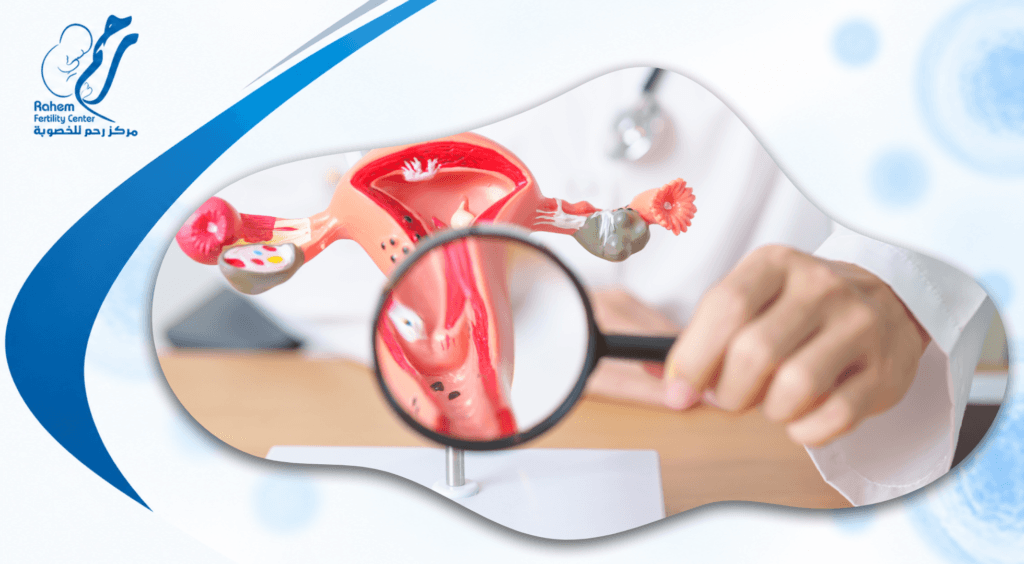
Even when ovulation and fertilization occur normally, the embryo still needs to reach a healthy uterine cavity and successfully implant in the uterine lining. Several uterine conditions may affect fertility, including: Certain fibroids, depending on factors such as their size and location Uterine polyps Some congenital abnormalities in the shape of the uterus Intrauterine adhesions Some cases of adenomyosis Finding a fibroid does not necessarily mean it is the cause of infertility. Many women with fibroids become pregnant naturally. Their effect on fertility depends largely on their size, location, and whether they distort the uterine cavity or affect the fallopian tubes.
6. Male-Related Problems
A woman’s fertility may be normal while the cause of delayed pregnancy is related to the male partner. This may include problems with sperm production, count, movement, or shape, as well as conditions that interfere with the delivery of sperm into the female reproductive tract.
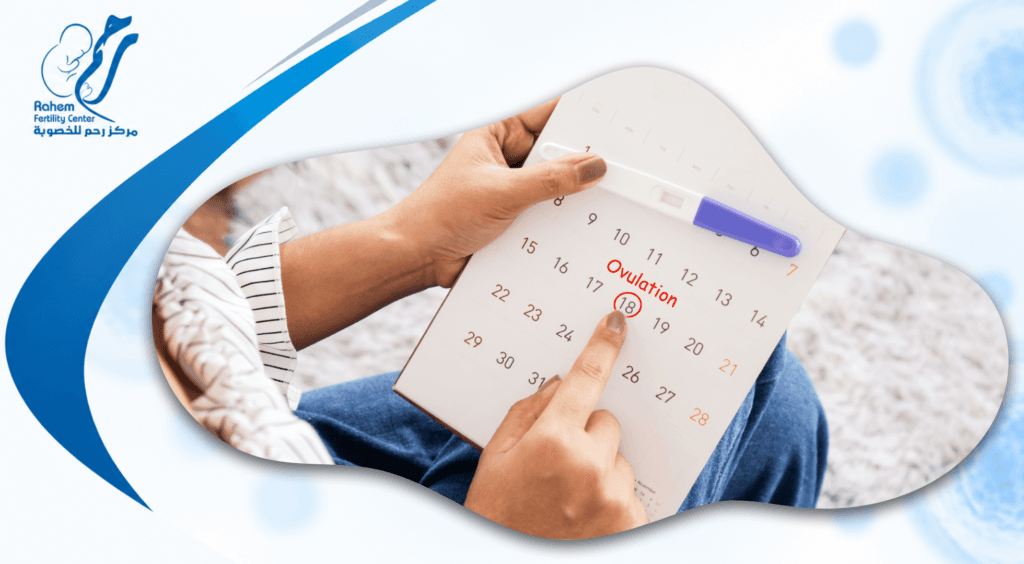
7. Not Timing Intercourse Around the Fertile Window
Ovulation and menstrual cycles may be completely normal, yet pregnancy can still take longer if intercourse does not occur at the right time.
The fertile window lasts about 6 days and ends on the day of ovulation, with the highest chance of conception usually occurring during the 2 days immediately before ovulation.
To maximize the chances of pregnancy, intercourse is generally recommended every 1 to 2 days during this 6-day window. For couples who prefer not to track ovulation closely, having intercourse every 2 to 3 days throughout the month is also an effective approach and removes much of the pressure of trying to identify the exact day of ovulation.
8. Hormonal Imbalances
Hormonal disorders are considered less likely when periods are regular, and extensive hormonal testing is not routinely required for every woman. However, the doctor may request specific tests when symptoms or medical history suggest a possible hormonal condition. Thyroid testing may be considered when thyroid dysfunction is suspected.
Prolactin testing is generally reserved for symptomatic patients women with symptoms such as nipple discharge, infrequent periods, or absent periods.
9. Lifestyle Factors Certain
lifestyle and health factors may also affect the chances of conception, including: Being significantly underweight or obese Smoking and alcohol consumption Certain chronic illnesses and other health conditions
10. Unexplained Infertility Sometimes
Sometimes, all the tests come back looking totally fine. Ovulation is great, fallopian tubes are open, the uterus looks ready for implantation, hormone levels are normal, and the male partner’s fertility is good too. Yet pregnancy still doesn’t happen. That’s what doctors call “unexplained infertility.” Now, this doesn’t mean there’s no reason it just means that standard tests can’t pinpoint it. There might be some subtle factor affecting fertility that routine checks simply don’t pick up.
When to See a Doctor
Not becoming pregnant after a few months does not necessarily mean there is a problem. Even when both partners are healthy, pregnancy does not occur with every attempt.
General guidance on When to see a doctor for not getting pregnant with regular periods: (1)
- Under age 35: After 12 months of regular unprotected intercourse without becoming pregnant.
- Age 35 or older: After 6 months of trying.
- After 40: See a doctor without waiting.
Note: It’s a good idea to see a doctor sooner rather than later if you have a known medical history that could affect fertility things like endometriosis, previous pelvic or tubal surgeries, or any known issues with the male partner. Don’t wait for the timeline above if you already have a red flag.