The American Society for Reproductive Medicine (ASRM) defines recurrent pregnancy loss as two or more pregnancy losses. (2)
Miscarriage is one of the most common complications of pregnancy, affecting approximately 15–20% of pregnancies. Experiencing one, or even two, miscarriages does not necessarily indicate a fertility problem or mean that a woman will have difficulty having children in the future. In fact, more than half of women who experience two miscarriages go on to have healthy children.(3)
Causes of Recurrent Miscarriage
In some cases, the underlying cause of recurrent miscarriage can be identified; however, in approximately half of all cases, the cause remains unknown. Therefore, nearly 50% of recurrent miscarriages are classified as unexplained. (1)
Potential causes and risk factors include: (3)(2)
Genetic Factors
The majority of miscarriages, approximately 50-60% of those occurring during the first trimester, are attributed to random chromosomal abnormalities in the embryo or fetus. However, in some cases, recurrent miscarriage may result from genetic or chromosomal abnormalities in one of the parents that are subsequently transmitted to the embryo, leading to repeated pregnancy loss. Therefore, chromosomal testing of both parents may be recommended after two or more miscarriages.
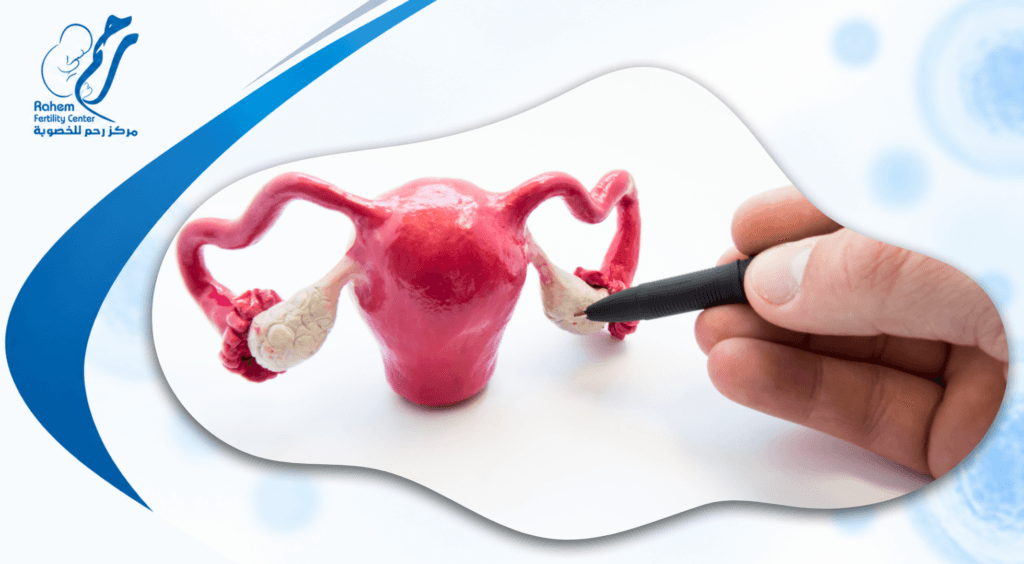
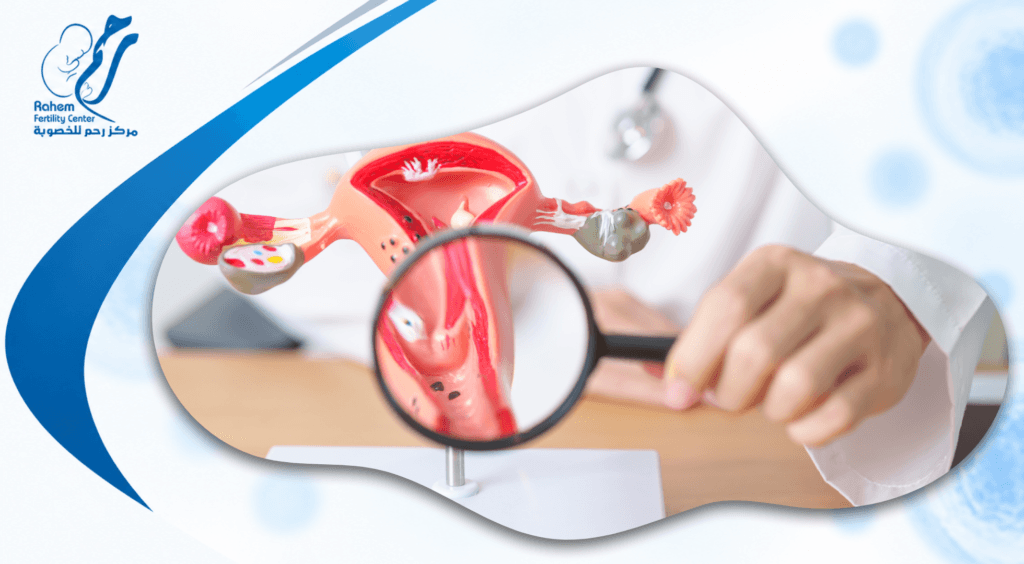
Uterine Abnormalities
Including congenital uterine abnormalities such as uterus didelphys (a double uterus) or a uterine septum, or acquired later in life, such as endometrial polyps and uterine fibroids.
Not all uterine abnormalities require surgery, this depends on the type of abnormality, its effect on the uterine cavity, and the woman’s pregnancy history.
Hormonal Disorders
Recurrent miscarriage may sometimes be associated with hormonal disorders, including abnormalities of the thyroid or pituitary glands. It may also be associated with diabetes or polycystic ovary syndrome (PCOS).
These conditions can be identified through a thorough medical evaluation and appropriate laboratory investigations.
Antiphospholipid Syndrome
Antiphospholipid syndrome (APS) is an autoimmune disorder characterized by the presence of antiphospholipid antibodies, which can promote abnormal blood clot formation. During pregnancy, these antibodies may interfere with placental function and blood flow, potentially compromising the delivery of oxygen and essential nutrients to the developing fetus and increasing the risk of pregnancy loss.
Evaluation for antiphospholipid syndrome may be considered in women with recurrent pregnancy loss, particularly in the presence of clinical features suggestive of APS and in accordance with established clinical guidelines. Testing typically includes assessment for antiphospholipid antibodies, such as lupus anticoagulant, anticardiolipin antibodies, and anti-β2-glycoprotein I antibodies.
Lifestyle Factors
Several environmental and lifestyle factors may contribute to an increased risk of recurrent miscarriage, including:
- Exposure to certain chemicals, or specific medications.
- Lifestyle factors such as smoking, alcohol consumption, and excessive caffeine intake.
- Obesity, which has been associated with an increased risk of miscarriage.
- Bacterial vaginal infections, which may increase the risk of pregnancy loss, particularly recurrent miscarriage.
Tests for Recurrent Miscarriage
Your doctor will start by reviewing your medical history and previous pregnancies. They may recommend imaging tests to check your uterus and, when possible, chromosome testing of tissue from the pregnancy loss. Further tests will depend on the findings and your individual risk factors. Not everyone needs every available test. (2)
Treatment of Recurrent Miscarriage
Treatment is not necessarily required following a second miscarriage. In some cases, the physician may recommend attempting another pregnancy without medical intervention, particularly when no underlying cause has been identified. When treatment is indicated, the appropriate approach depends on the underlying cause and the individual clinical circumstances. The main treatment options include: (4)(5)
Heparin and Aspirin
It is important to emphasize that the management of recurrent miscarriage should be tailored to each individual patient, as a treatment that is beneficial for one woman may not be appropriate or effective for another.
Low-dose aspirin combined with heparin may improve pregnancy outcomes in women with confirmed antiphospholipid syndrome.
These medications should only be taken under the supervision of a healthcare professional, as inappropriate use may increase the risk of significant bleeding and other complications.
Surgery
Surgical treatment may be an effective option for recurrent miscarriage resulting from structural abnormalities of the uterus or the presence of abnormal tissue within the uterine cavity. Depending on the underlying condition, procedures may be performed to remove a uterine septum, fibroids, or endometrial polyps.
Most of these procedures are minimally invasive and can often be performed hysteroscopically under anesthesia. Recovery is generally short, with many women able to resume normal activities within a few days, depending on the type and extent of the procedure.
Treatment of Hormonal Disorders
Appropriate diagnosis and management of hormonal disorders can play an important role in improving pregnancy outcomes. This includes maintaining adequate blood glucose control and appropriately assessing and treating thyroid and pituitary disorders when present.
Similarly, proper management of polycystic ovary syndrome (PCOS) may improve the chances of a successful subsequent pregnancy. This may include lifestyle modifications, weight management, and, in some cases, treatment with metformin, depending on the patient’s individual condition.
Genetic Testing
In a small proportion of couples with recurrent pregnancy loss, one of the parents may carry a chromosomal rearrangement, most commonly a translocation. Although carriers of a translocation are often clinically unaffected, the rearrangement may result in chromosomal imbalances in the developing embryos, thereby increasing the risk of miscarriage. Parental karyotyping is used to identify such chromosomal abnormalities.
When a chromosomal abnormality is detected, genetic counseling is recommended to clarify the nature of the rearrangement, its potential implications for future pregnancies, and the available reproductive options. Depending on the individual circumstances, in vitro fertilization (IVF) with preimplantation genetic testing for structural rearrangements (PGT-SR) may be considered.
During IVF, eggs are fertilized with sperm in the laboratory to form embryos. Genetic testing may subsequently be performed before embryo transfer to evaluate their chromosomal status. Based on the results, an embryo without an unbalanced chromosomal rearrangement may be selected for transfer into the uterus, with the aim of improving the likelihood of a healthy pregnancy.
Lifestyle Modification
Maintaining a healthy lifestyle is an essential part of managing recurrent pregnancy loss, irrespective of the underlying cause. Promoting overall health may support reproductive function and improve the prospects of a healthy pregnancy. Recommended measures include:
- Smoking cessation.
- Avoiding alcohol and other potentially harmful substances.
- Limiting caffeine intake, particularly excessive consumption of coffee and other caffeinated beverages.
- Seek psychological support when needed to cope with pregnancy loss.
- Achieving and maintaining a healthy body weight, as overweight and obesity have been associated with an increased risk of recurrent miscarriage.
References
- Recurrent Miscarriage – Saint Mary’s Hospital
- Recurrent pregnancy loss: a committee opinion (2026) | American Society for Reproductive Medicine | ASRM
- Recurrent Pregnancy Loss | Fertility & Reproductive Medicine Center | Washington University in St. Louis
- Recurrent Miscarriage (Causes, Symptoms, and Treatment)
- Treatment of recurrent pregnancy loss patient education fact sheet | ReproductiveFacts.org