Thyroid and pregnancy are closely connected; The thyroid is a small gland located in your neck that produces hormones involved in regulating metabolism, energy levels, and many other body functions, including fertility in both women and men. When thyroid hormone levels become imbalanced and are not properly treated or controlled, the ability to conceive and maintain a healthy pregnancy may be affected. Here is all you need to know.
How Are Thyroid and Pregnancy Connected?
The relationship between thyroid and pregnancy becomes especially important when thyroid hormone levels are not properly controlled. These disorders may make it more difficult to conceive or cause pregnancy to be delayed.
The thyroid acts like a master regulator, influencing many essential processes, including menstrual regularity, ovulation, and the continued growth and development of the baby during pregnancy.
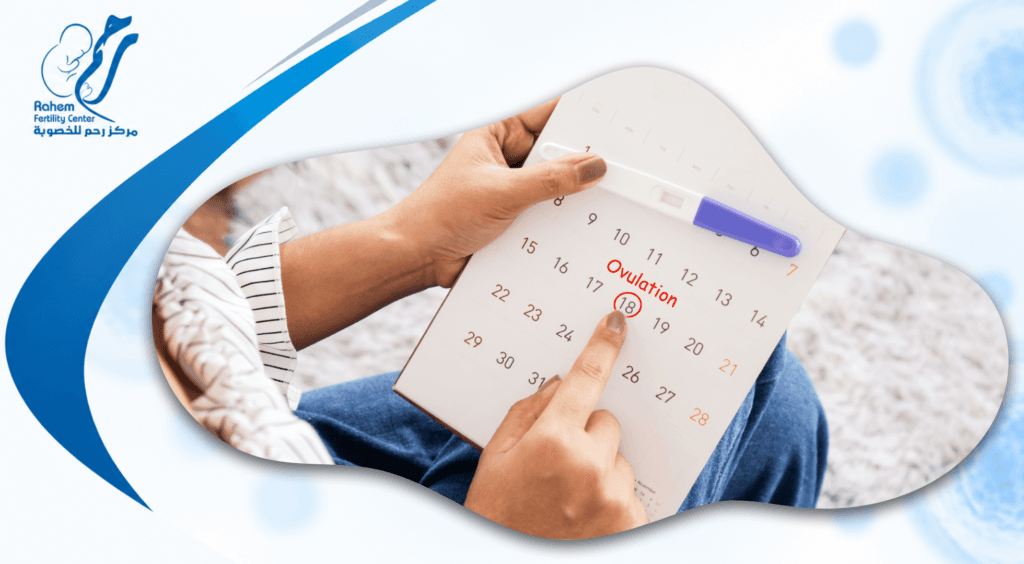
For this reason, a thyroid disorder whether an underactive thyroid or an overactive thyroid may disrupt the menstrual cycle and ovulation, which can delay pregnancy. The good news is that thyroid disorders can usually be treated effectively.
Once appropriate treatment is started and thyroid hormone levels return to a stable, normal range, menstrual cycles and ovulation often become regular again. In many cases, fertility also returns to normal, allowing pregnancy to occur naturally. (2)
Hypothyroidism and Pregnancy
Untreated or poorly controlled hypothyroidism may make it more difficult to become pregnant. Menstrual periods may become longer or heavier, which can contribute to anemia, while some women may stop having periods altogether.
Low thyroid hormone levels can also affect fertility in men with hypothyroidism and may reduce their ability to conceive with their partner.
However, after treatment with levothyroxine tablets the standard medication for hypothyroidism and once thyroid hormone levels return to the normal range, the chances of pregnancy can improve considerably. Fertility usually returns to normal in both women and men affected by the condition. When planning a pregnancy, tell your doctor that you have hypothyroidism or are taking levothyroxine, and arrange a thyroid blood test before trying to conceive. Your doctor may need to adjust your dose to ensure that your thyroid-stimulating hormone, or TSH, level is appropriate for pregnancy. TSH is generally best maintained within the lower part of the normal range, as good thyroid control is important for the baby’s development and the continuation of a healthy pregnancy.(2)
Hyperthyroidism and Pregnancy
Graves disease is the most common cause of hyperthyroidism. When an overactive thyroid is untreated or poorly controlled, it may cause irregular menstrual periods and make it more difficult to become pregnant. Once the condition is treated appropriately and thyroid hormone levels return to the normal range, a woman’s fertility usually returns to normal. When planning a pregnancy, thyroid hormone levels should be checked to confirm that the condition is stable. You should also tell the obstetrician or gynecologist managing your pregnancy if you currently have, or have previously had, Graves disease even when your thyroid hormone levels are normal. Continued follow-up with an endocrinologist and regular thyroid testing may be required. Some pregnant women may also need tests to measure Graves disease antibodies and regular monitoring of thyroid hormone levels throughout pregnancy.
Men with hyperthyroidism may experience a noticeable reduction in sperm count, which can affect fertility. However, after treatment and once thyroid hormone levels are brought back into the appropriate range, sperm count may return to normal.
Why Is Thyroid Control Important During Pregnancy?
The relationship between thyroid and pregnancy are not limited to the person’s ability to conceive. Untreated or poorly controlled hypothyroidism or hyperthyroidism may also cause pregnancy complications, such as miscarriage, elevated blood pressure during pregnancy, preterm birth, and impaired fetal growth.
Therefore, women with thyroid disorders usually need regular medical follow-up and thyroid function tests during pregnancy. Medication doses may also need to be adjusted according to test results. Thyroid medication should not be stopped or changed without medical advice, as careful management of thyroid and pregnancy helps protect the health of both the mother and the developing baby inside her womb.
For further questions about the thyroid and pregnancy, or to arrange an online or in-person appointment for a personalised assessment, you can book a consultation with one of our experienced specialists. (2)