The recommendation to surgically remove a uterine septum depends on the individual assessment of each case. In general, surgery may be recommended for women who have symptoms or complications related to the condition, such as delayed pregnancy, recurrent miscarriage, or preterm birth.
However, if a uterine septum is discovered by chance in a woman who has no symptoms and no pregnancy-related problems, surgery may not be necessary. In this case, the decision should be discussed with the doctor based on the woman’s condition, as well as the expected benefits and risks. (1)
What is a uterine septum? Can it cause infertility or miscarriage?
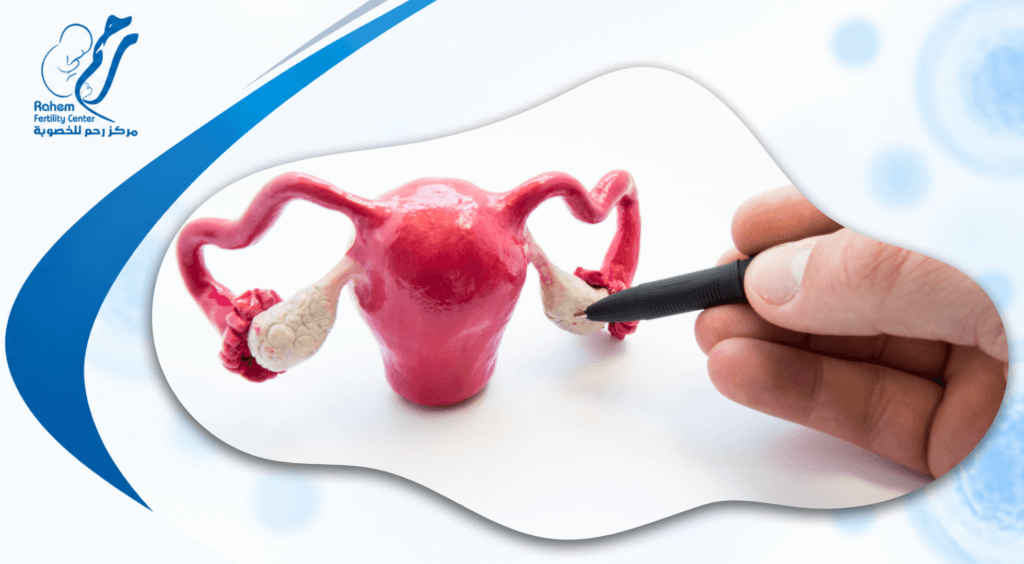
This congenital uterine anomaly is present from birth, meaning a female is born with it. It is often discovered by chance during fertility tests or after recurrent miscarriages. It is characterized by the presence of a wall of tissue that divides the uterus partially or completely into two sections. (1)
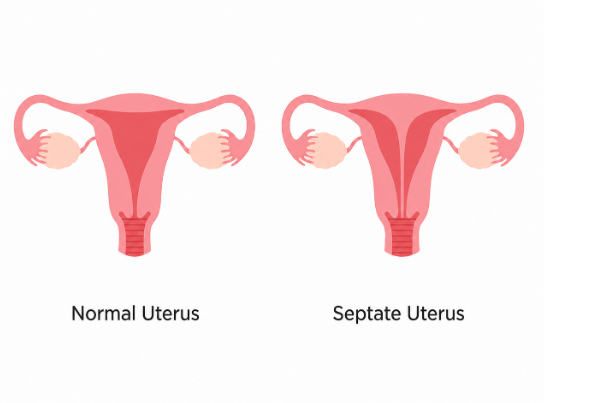
A septate uterus may not affect fertility, as many women with this condition are able to conceive naturally. However it is strongly associated with an increased risk of miscarriage and recurrent miscarriage. In the general pregnant population, the risk of miscarriage is around 10-20%, but studies suggest that this risk may increase to about 25% and may reach up to 50% in women with a uterine septum. (1)(2)
The risk of miscarriage is higher in women with a uterine septum, especially during the first months of pregnancy. This is because the uterine septum is a wall of tissue with an inadequate blood supply. If the fertilized egg implants on the septum, it may not receive enough nourishment compared with implantation in the normal uterine lining. Even if the pregnancy continues without miscarriage, women with a uterine septum may be at higher risk of certain pregnancy complications, including:
-
- Preterm birth: The septum may reduce the space available for the baby to grow inside the uterus.
- Abnormal fetal position: The baby may be in a breech position, meaning the buttocks are down, which may increase the need for a C-section.
- Low birth weight.
When is removal of a uterine septum recommended?
Not every uterine septum needs surgery. The decision depends on the woman’s symptoms, pregnancy history, and future pregnancy plans. A doctor may recommend removing the septum in certain cases, such as: (1)
- Recurrent miscarriage.
- Delayed pregnancy when no other clear cause is found.
- A history of preterm birth or pregnancy complications that are thought to be related to the shape of the uterus.
- Before certain fertility treatments, such as IVF (after discussing the expected benefits and limitations of the procedure.)
However, if the septum is discovered by chance and the woman has no symptoms or current plans for pregnancy, surgery may not be necessary. A uterine septum does not increase the risk of general health problems or cancer.
Note: Having symptoms such as delayed pregnancy or recurrent miscarriage does not necessarily mean that the uterine septum is the only or direct cause. Some women have a uterine septum without any symptoms. For this reason, the doctor should evaluate the case fully and rule out other possible causes of delayed pregnancy or recurrent miscarriage, such as ovulation disorders, sperm problems, hormonal imbalances, endometrial problems, or genetic and immune factors, before deciding on the most appropriate treatment.
Experiences with Uterine Septum
Watch a real success story with Professor Dr. Eman El Gendy from Rahm Center, and learn how accurate diagnosis of a uterine septum and a comprehensive treatment plan helped achieve pregnancy. Click here to watch.
“A 27-year-old woman who had been married for five years was struggling to achieve a successful pregnancy. Although she had a good number of eggs, the number of embryos produced was always low. After evaluation using a 3D ultrasound, a uterine septum was detected. It was then removed through hysteroscopic surgery to improve the uterine environment and increase the chances of pregnancy continuation.
However, the uterine septum was not the only challenge. Further testing showed another male-factor issue: a severely high sperm DNA fragmentation rate, reaching 52%. The fertility team at Rahm Center then developed an integrated treatment plan. This included addressing the male factor by retrieving sperm directly from the testicle, preparing the uterus after hysteroscopy, choosing a suitable ovarian stimulation protocol, freezing the embryos, and transferring them after optimal uterine preparation. The result was a twin pregnancy. This experience shows that a uterine septum may be part of the problem, but it is not necessarily the only cause. That is why evaluating both partners and creating a comprehensive, well-coordinated treatment plan can be key to success.”